Renting in Iceland: the rules
Renting in Iceland runs on one national law, húsaleigulög (the Rent Act), which has been rewritten in steps since 2024: every residential lease must now be registered in HMS's national lease register, rent on a fixed-term lease cannot change in its first year, and a landlord who wants to end an open-ended lease has to give a lawful reason. There is no rent cap, and many leases are indexed to the consumer price index, often month by month. Disputes go to a free state committee, kærunefnd húsamála, whose rulings bind both sides, and most practical steps, from signing the lease to claiming housing benefit, assume you already have a kennitala (Icelandic ID number) and a registered address.
Checked 2 October 2026. Information, not legal advice: the sources are at the bottom.
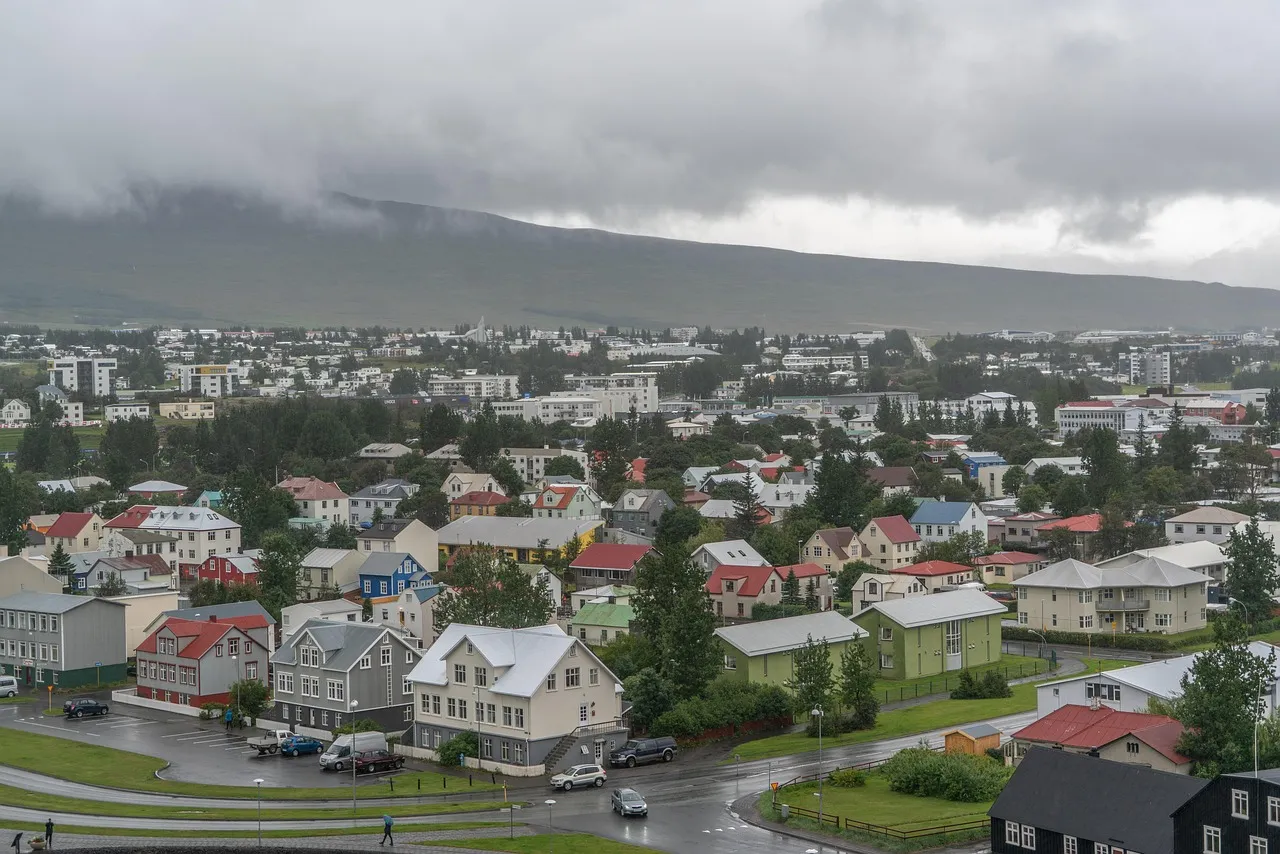
Our city guide for Iceland

Contracts
Tenancies are governed by húsaleigulög nr. 36/1994 (the Rent Act), last amended by Act 11/2026, in force 5 March 2026. Its rules cannot be changed to a residential tenant's disadvantage, except where the Act itself allows it (art. 2). Non-profit student and halfway housing may depart from some rules if the lease says which (art. 2). A lease must be in writing (art. 4). If the parties never put it in writing, it counts as an open-ended lease, with the full protection of the Act (art. 10). The lease must state, among other things, the parties' names and kennitölur (ID numbers), what is let (a whole flat or a room), whether the term is fixed or open-ended, the rent and if, when and how it can change, the guarantee, the results of the move-in inspection including fire safety, and, for a fixed-term lease, the tenant's priority right to renew (art. 6). Changes must be written and signed by both (art. 8). The state agency HMS (Húsnæðis-, mannvirkja- og skipulagsstofnun, the Housing, Construction and Planning Agency) publishes the official lease and notice forms, and a free electronic lease can be made and signed on island.is.
A lease is either ótímabundinn (open-ended) or tímabundinn (fixed-term), and it counts as open-ended unless clearly agreed otherwise (art. 9). There is no minimum fixed term. Since 1 January 2026 the landlord must register every residential lease in leiguskrá HMS (HMS's lease register) within 30 days of signing, register rent changes within 30 days, and deregister the lease within 30 days of its end (arts. 5, 37, Act 72/2025). Until then only landlords letting residential property as a business, in practice more than two flats, had to register. The duty also covers older leases still running on 1 January 2026. Leases signed on island.is are registered automatically, and paper leases are emailed to HMS. If the landlord has not registered by handover, the tenant may do it. HMS can fine a landlord ISK 10,000 to ISK 1,000,000 per breach (art. 5 a). For private landlords who do not let as a business, these fines apply only from 1 January 2027. At the start and end of the tenancy, both sides inspect the home together. Either can ask for an independent inspector, and then the cost is shared (art. 69).
Non-profit landlords are a separate channel with their own rules. They may set lawful eligibility conditions, such as income limits, ask for proof that the tenant meets them, and have housing benefit paid straight to them (art. 3 a). They may also end a lease with three months' notice if the tenant no longer qualifies (arts. 56, 58). Examples are Bjarg íbúðafélag, which lets to lower-income members of ASÍ or BSRB unions who have been members for at least 16 of the last 24 months, municipal social housing and student housing. The municipalities' 2025 housing plans counted about 6,900 people on waiting lists for non-market rentals (HMS, March 2026). As of 2026-10.
Deposits and guarantees
Before handover, the landlord may ask for a trygging (guarantee) for rent and for damage the tenant is liable for (húsaleigulög art. 39). It must take one of six forms (art. 40): a bank guarantee, a personal guarantee from one or more third parties, a rent-payment and move-out insurance the tenant buys from an insurer, a tryggingarfé (cash deposit) paid to the landlord, a fee into a commercial landlord's mutual guarantee fund, or another guarantee the landlord accepts. The three-month cap does not apply to all of them. A cash deposit and a third-party guarantee may not exceed three months' rent. The fund fee is capped at a tenth of the rent under the lease and is never refunded. The amount of a bank guarantee or an insurance policy is left to agreement. The landlord chooses the form, but the tenant may refuse to pay a cash deposit if they offer another guarantee the landlord finds adequate.
A cash deposit must be kept in a separate, non-locked account at a bank or savings bank, earning the best interest available, and the interest goes to the tenant. The landlord may not spend it without the tenant's consent or a final decision on liability, except to cover unpaid rent (art. 40). At the end, the landlord must tell the tenant in writing within four weeks of getting the home back whether they claim on the deposit or guarantee. Otherwise the deposit must be returned with interest, and penalty interest runs from the end of those four weeks. A guarantee lapses if no claim is made. If the landlord does claim, the tenant has four weeks to accept or reject in writing. If the tenant rejects, the landlord must take it to kærunefnd húsamála (the Housing Complaints Committee) or to court within another four weeks, or return the deposit. The money stays put until the case is decided (art. 40). Damage claims must be made within four weeks of handover, or within four weeks of finding hidden damage (art. 64). As of 2026-10.
Change planned, not law: the government's legislative programme for the 2026–2027 session lists a bill on leigutryggingar (rental guarantees) and HMS supervision of the rental market. It aims to simplify claims and make deposit refunds more predictable, and is planned for March 2027. As of 2026-10-02 it has not been filed with the Althingi.
Rent, increases and rent control
There is no rent cap or rent control. The parties agree the rent, but it must be sanngjörn og eðlileg (fair and reasonable) for both, judged mainly against market rent for similar homes, plus housing costs, location, type and condition, and the lease terms (húsaleigulög art. 37). A dispute about the amount must go to kærunefnd húsamála within three months of the lease, or of a later agreed change, taking effect. Rent disputes are fast-tracked, with a ruling within two months, and anything overpaid can be reclaimed or deducted from later rent (art. 85). Rent is paid monthly in advance on the first of the month, and payment for more than one month in advance cannot be demanded (arts. 33, 34). After seven days' delay the landlord can charge penalty interest.
The lease must say whether, when and how the rent will change, and it cannot change in any other way (art. 37). In practice many leases are indexed to the vísitala neysluverðs (consumer price index), often monthly. In a fixed-term lease, no change at all may be agreed for the first 12 months. This rule applies to leases signed, renewed or extended from 1 January 2026 (Act 72/2025). From 1 September 2024 to 31 December 2025 the rule was different: a fixed-term lease of 12 months or less could not change during its term at all (Act 106/2024). Since 1 September 2024 there are also three ways to change rent after the first 12 months, each with HMS's standard forms. A landlord can ask for an increase because of a substantial rise in running costs, giving at least three months' written notice with the reasons and evidence. The tenant then has 30 days to accept, refer it to kærunefnd húsamála, or end the lease, even a fixed-term one (art. 37 a). Either party can ask for the rent to be adjusted up or down towards market rent, and if they disagree the committee decides (art. 37 b). Non-profit landlords may even out rents across their stock (art. 37 c). An increase takes effect against the tenant only once it is registered in leiguskrá. Until then the tenant can refuse to pay the increase (art. 37).
HMS publishes leiguverðsjá (a rent map) based on the lease register, showing average rents of new leases by area, size, landlord type and contract type, and used by both sides to check market rent (HMS, 2024). Change planned, not law: the government's 2026–2027 legislative programme lists a bill to set clearer rules on agreed periodic rent changes and to ban monthly CPI indexation, planned for September 2026. As of 2026-10-02 it has not been filed with the Althingi. As of 2026-10.
Notice and ending a tenancy
A fixed-term lease ends on its end date without notice, and neither side can end it early. The exceptions are grounds written into the lease that the Act itself does not cover, with at least three months' mutual notice, and a few statutory cases (húsaleigulög art. 58). A tenant can also end a fixed-term lease when the landlord demands a cost-based increase (art. 37 a). If the tenant stays on for eight weeks after the end and the landlord has not asked them to leave, the lease becomes open-ended (art. 59). A tenant on a fixed-term residential lease has a forgangsréttur (priority right) to keep renting if the home will be let again for at least a year (art. 51). The exceptions include a landlord living in the same house, a furnished home (unless the landlord lets three or more units), own use or use by close relatives, a sale within six months, major works, and the tenant's breaches. Between three months and six weeks before the end, the landlord must ask in writing whether the tenant wants to use the right. The tenant has 30 days to reply in writing. A landlord who thinks no priority right exists must say why at least three months before the end, and the tenant can object and the matter goes to kærunefnd húsamála (arts. 52, 52 a). On renewal, the previous rent is presumed fair (art. 53). Those dates shrink to 30 days for leases shorter than three months.
An open-ended lease can be ended by either side in writing. Notice periods are three months for single rooms and six months for flats. They are twelve months from a landlord that is a company letting as a business, once the tenant has had the flat for more than 12 months (art. 56). The notice period starts on the first day of the month after notice is sent, and the tenant must have left by 13:00 the day after it ends (art. 57). Since 1 September 2024, a landlord's notice must give a reason, and only reasons listed in the Act count. They include the landlord living in the same house, a furnished let, own use or a close relative's use, a planned sale, major works, the tenant's breaches, or a fair weighing of both sides' interests (arts. 55, 55 a). The notice uses HMS's form, and the tenant can challenge it before kærunefnd húsamála. A landlord who pushed a tenant out with a sham or fraudulent notice must pay their loss.
Either side can riftun (terminate at once) for serious breaches. A landlord can do so, for example, if rent is not paid within seven days of a written demand that warns of termination (art. 61). A tenant can do so for unrepaired defects, harassment or the landlord entering without permission (art. 60). Termination must be in writing with reasons, and it must be recorded in leiguskrá. A tenant whose lease is terminated for breach owes rent until the end of the fixed term or notice period, minus what the landlord earns or should have earned by re-letting quickly (art. 62). A landlord cannot remove a tenant on their own. If the tenant will not leave, útburður (eviction) is ordered by the district court under the Enforcement Act (aðfararlög nr. 90/1989, art. 78) and carried out by the sýslumaður (district commissioner). Rulings of kærunefnd húsamála are enforceable without a court judgment (art. 85). As of 2026-10.
Repairs, bills and who pays what
At handover the home must be clean and in working order: unbroken windows, working locks and switches, working fixtures and appliances, water and drains, and a smoke detector and fire extinguisher. It must also meet fire safety rules (húsaleigulög art. 14). A tenant must report defects in writing within four weeks of handover, and hidden defects within 14 days of noticing them (art. 16). The landlord maintains the home inside and out, repairs windows, appliances, sanitary fittings, locks, taps, sockets, smoke detector and extinguisher, and repaints and replaces floor coverings at reasonable intervals. Damage covered by normal home-owner's insurance, including the excess, is always the landlord's cost (art. 19). The tenant handles minor upkeep such as light bulbs, smoke-detector batteries and cleaning drains (art. 19 a). If the landlord does not start repairs within four weeks of a written notice, the tenant may have the work done and deduct the cost from the rent, but only with an inspector's approval first. After eight weeks without repair, the tenant can terminate for significant defects. While defects remain, the tenant is entitled to a proportional rent reduction (arts. 17, 20, 36). A landlord may enter only with reasonable notice and with the tenant or their representative present, unless the tenant agrees otherwise. In the last six months, viewings may last up to two hours at a time with at least 24 hours' notice (art. 41). A tenant may not change the locks without written consent (art. 28).
By default, the landlord pays property tax, insurance premiums and the hússjóður (common charges of a multi-unit building), including shared heating, lighting and lifts, plus utility standing charges based on the property's value. The tenant pays water, electricity and heating used in the home and must register as the new customer with the utilities, except for hot water where the flat has no meter of its own (arts. 23, 23 a). The lease can divide these costs differently, but it must say so (art. 23 b). A leigumiðlari (letting agent) must be licensed. The agent's fee for finding a tenant and drawing up the lease is paid by the landlord, and the tenant can be charged only for special services agreed in advance (arts. 73, 77). As of 2026-10.
Registration and living here
Everyone staying in Iceland for six months or more must register a lögheimili (legal domicile) with Þjóðskrá Íslands (Registers Iceland). The address must be a real street address in a building registered as residential: a guesthouse, hostel or work camp does not qualify (island.is, Multicultural Information Centre). A change of domicile must be reported no later than seven days after the move (lögheimilislög nr. 80/2018). Citizens of EEA/EFTA states staying longer than three months register with Registers Iceland, which gives them a legal domicile and a kennitala (Icelandic ID number). Nordic citizens use a separate procedure, and processing can take up to ten working days. People from outside the EEA need a residence permit before they can register a domicile. People who need a number only for a short stay can get a kerfiskennitala (system ID number) instead (island.is). The registered owner of a property decides how many people may have their domicile there, but cannot remove someone already registered by lowering that number (lögheimilislög).
The kennitala matters for renting. The Act requires the lease to state both parties' ID numbers (húsaleigulög art. 6), electronic leases on island.is are signed digitally, and the domicile is the key to benefits. Húsnæðisbætur (state housing benefit), paid by HMS, requires you to be 18 or over, to live in and have your lögheimili at the rented home, and to be a party to a lease of at least three months registered in leiguskrá (Housing Benefit Act nr. 75/2016, art. 9). The home must have at least one bedroom, its own kitchen and bathroom, and must meet fire safety rules. Rooms do not qualify, except student halls and certain supported housing. Benefit is also refused if the landlord lives in or is registered at the home, and HMS says applicants holding only a system ID cannot apply. The amount depends on household size, income, assets and rent. Municipalities pay sérstakur húsnæðisstuðningur (special housing support) on top for people in difficult financial or social circumstances, applied for at the municipality where you have your domicile (island.is). HMS estimates that about a third of tenants received housing benefit in 2024. A landlord who refuses to register the lease, or who lets something that cannot be a legal domicile, blocks all of this. As of 2026-10.
Subletting and second-hand renting
A tenant may not assign the lease or framleigja (sublet) the home without the landlord's consent (húsaleigulög art. 44). Having close relatives or in-laws live with you is not subletting, as long as the household stays a reasonable size for the home. Either party can demand that a required consent is confirmed in writing (art. 8). Subletting without consent, or misusing a permission to sublet, is grounds for the landlord to terminate the lease at once, and so is a subtenant's conduct that would justify termination against the main tenant (art. 61). The Act applies to subleases too (art. 1), so the same rules on written leases, guarantees, notice and registration protect the subtenant against the person they rent from.
If the tenant dies, close relatives and members of the household may take over the lease unless the landlord has valid reasons against it. A spouse or cohabiting partner who lived there may also continue the lease when the tenant moves out (arts. 45, 46). Cohabitation counts after one continuous year, or earlier if the couple has a child or is registered as cohabiting (art. 3). A common problem is renting a room or a converted space, such as a garage or commercial unit, that is not registered as residential. Such a place cannot be your lögheimili and does not qualify for housing benefit (Housing Benefit Act art. 9). As of 2026-10.
For landlords
Since 1 January 2026, every landlord must register residential leases in leiguskrá HMS within 30 days of signing, register rent changes within 30 days and deregister the lease within 30 days of its end (húsaleigulög arts. 5, 37). HMS can fine ISK 10,000 to ISK 1,000,000 per breach (art. 5 a), and for private landlords who do not let as a business these fines start on 1 January 2027 (Act 72/2025). Registration is also what makes the tenant eligible for housing benefit, and it is a condition for the lower tax on rental income. The home must meet fire safety rules at handover, a move-in inspection is recorded in the lease, and a cash deposit must be kept in a separate interest-bearing account (arts. 14, 40, 69). There is no landlord licence, but letting agents need one (art. 73).
Tax (tekjuskattslög nr. 90/2003, arts. 58 a and 66; Skatturinn). Rental income is in principle taxed as business income. The exception is an individual letting residential property under the Rent Act, with the lease registered in leiguskrá and no more than two separate flats let. That income is fjármagnstekjur (capital income) taxed at 22%, with no deduction for costs. From income year 2026, 25% of it is tax-free, so 75% is taxed, an effective rate of 16.5%. Up to income year 2025, 50% was tax-free, an effective rate of 11% (Act 103/2025, in force 1 January 2026). An owner who lets out a former home of their own while renting another home for themselves can deduct the rent they pay. Above two flats, or without a registered lease, the income is taxed as business income at ordinary income tax rates, with costs deductible.
Short-term letting (up to 30 days at a time) is regulated by the hospitality law (lög nr. 85/2007). Heimagisting (home-sharing) needs a yearly registration with the sýslumaður, which costs ISK 9,200. It is allowed in your own lögheimili and, since 9 April 2026, in only one other property you own outside urban areas. Before that, the second property could be any property you owned for personal use (Act 25/2026). The combined limit for both properties is 90 nights and ISK 2,000,000 a year, with at most five rooms or 10 guests per property. The registration number must appear in every advert. Letting without registration can be fined up to ISK 1,000,000 per breach, and each night above the limit counts as a separate breach (island.is). Home-sharing income is capital income taxed at 22% with no deductions. Above the limits, everything is business income, liable to VAT and accommodation tax (Skatturinn). Anything more needs a rekstrarleyfi (operating licence). Since 23 May 2024, open-ended licensed accommodation in towns must be in approved commercial premises (Act 43/2024). Since April 2026, licences for accommodation in residential housing in towns are issued for five years at a time, and existing ones run until 1 January 2032 (Act 25/2026). As of 2026-10.
Disputes and where to get help
Kærunefnd húsamála (the Housing Complaints Committee) decides disputes between landlord and tenant about making or carrying out a lease. Examples are deposit claims, rent levels and increases, notices, priority rights and repairs. It has three members nominated by the Supreme Court. A case is brought in writing, with the claim, the reasons and the documents. The committee's costs are paid by the state, so there is no fee, although it can order a party who brings an obviously groundless case to pay the other side's costs (húsaleigulög arts. 84, 85, regulation 1355/2019). It aims to rule within two months, and rent disputes must be decided within two months. Rulings bind both parties, cannot be appealed to another authority, and can be enforced without a court judgment. Either party can take the ruling to the courts within eight weeks, which suspends it until judgment. Rulings are published. Because of a very heavy caseload, the committee says it gives rental cases priority, since its rulings in them are enforceable and need a quick answer. Inspectors, chosen jointly by the parties, assess defects, rent reductions and damage, and their assessment can also be taken to the committee (arts. 17, 65, 69).
Leigjendaaðstoðin (the Tenants' Support), run by Neytendasamtökin (the Consumers' Association of Iceland) under an agreement with the ministry, gives free advice to tenants, and now also landlords, by phone and online, with guides in Icelandic, English, Polish and Ukrainian. It can help a tenant take a case to the committee (leigjendur.is, mcc.is). Samtök leigjenda á Íslandi (Leigjendasamtökin, the Tenants' Association of Iceland) is an independent members' association that campaigns on tenancy law and helps members. The Multicultural Information Centre (mcc.is) explains renting, legal domicile and housing benefit in many languages. For new disputes about the amount of rent, the three-month deadline to go to the committee is strict (art. 85). As of 2026-10.
In flux: the Rent Act was amended with effect from 1 September 2024 (Act 106/2024: reasons for notice, priority rights, rent changes after 12 months), 1 January 2026 (Act 72/2025: general registration, no rent change in a fixed-term lease's first year) and 5 March 2026 (Act 11/2026, which merged HMS with the planning agency and renamed it). Two further government bills, one banning monthly CPI indexation and one on deposits and HMS supervision, are planned for the 2026–2027 session but not filed as of 2026-10-02.
Where to get help
- Kærunefnd húsamála (Housing Complaints Committee)Free state committee that rules on landlord-tenant disputes, usually within two months. Its rulings bind both sides and are enforceable unless taken to court within eight weeks.
- Leigjendaaðstoðin (Tenants' Support)Free advice on the Rent Act for tenants and landlords, run by the Consumers' Association of Iceland, in Icelandic, English, Polish and Ukrainian, by phone (545 1200; phone desk on Tuesdays and Thursdays 12:30–15:00 according to its site, October 2026) or contact form. It also helps tenants bring cases to the complaints committee.
- Samtök leigjenda á Íslandi (Leigjendasamtökin)Independent tenants' association: campaigns on tenancy law and rents, and helps members with rental problems.
- Island.is: tenants, landlords and the lease registerHMS's official guide to tenants' and landlords' rights, the free electronic lease, registration in leiguskrá, and the standard notice forms.
- Island.is: housing benefit (húsnæðisbætur)Conditions and application for the state housing benefit paid by HMS, with a link to municipal special housing support.
- Multicultural Information Centre: rentingPlain-language guidance for newcomers on renting, deposits, legal domicile and housing benefit, in many languages.
Questions people ask about renting in Iceland
How much deposit can a landlord in Iceland ask for?
For a cash deposit or a third-party personal guarantee, at most three months' rent. The amount of a bank guarantee or a rent-guarantee insurance is left to agreement (húsaleigulög art. 40). A cash deposit must sit in a separate interest-bearing account, and the landlord must say within four weeks of getting the home back whether they claim on it, or return it with interest (rules as of 2026-10).
Can my rent be raised during a fixed-term lease?
Not in the first 12 months, for leases signed or renewed from 1 January 2026 (Act 72/2025). After that, only as the lease itself says, for example by CPI indexation, or through the procedures in the Act: a cost-based increase with three months' notice, which you can refuse by ending the lease or refer to kærunefnd húsamála, or an adjustment to market rent. Any increase applies only once it is registered in leiguskrá (arts. 37–37 b, as of 2026-10).
Does my lease have to be registered?
Yes. Since 1 January 2026 every landlord must register residential leases in HMS's leiguskrá within 30 days of signing, including older leases still running on that date. If the landlord has not done so by handover, you can register the lease yourself. Registration is also a condition for housing benefit (húsaleigulög art. 5, Housing Benefit Act art. 9, as of 2026-10).
How much notice does a landlord have to give?
A fixed-term lease simply ends on its date, but you may have a priority right to renew. For an open-ended lease, it is six months for a flat and three months for a room, or twelve months from a company that lets as a business once you have rented for over a year. The notice must be in writing, use HMS's form and give one of the reasons listed in the Act. You can challenge it before kærunefnd húsamála (arts. 55 a, 56, as of 2026-10).
I have just arrived and have no kennitala yet. Can I rent?
A lease is meant to state both parties' ID numbers, and housing benefit requires a registered legal domicile at the rented address. Register with Registers Iceland as soon as you have an address: EEA/EFTA citizens staying over three months register there and receive a kennitala, while others need a residence permit first. Make sure the home is registered as residential, because a guesthouse or work camp cannot be your legal domicile (island.is, as of 2026-10).
Sources for this page (37)
- Húsaleigulög nr. 36/1994 (Rent Act), consolidated text 157c, last amended by Act 11/2026, Althingi, accessed 2 October 2026
- Húsaleigulög, consolidated text 156b (1 September 2025), for the rules before 2026, Althingi, accessed 2 October 2026
- Lög nr. 106/2024 um breytingu á húsaleigulögum (húsnæðisöryggi og réttarstaða leigjenda), in force 1 September 2024, accessed 2 October 2026
- Lög nr. 72/2025 um breytingu á húsaleigulögum (almenn skráningarskylda og breyting leigufjárhæðar), in force 1 January 2026, accessed 2 October 2026
- Bill 108/157, húsaleigulög (stjórnarfrumvarp and case documents), Althingi, accessed 2 October 2026
- Lög nr. 11/2026 (merger of Skipulagsstofnun and HMS), in force 5 March 2026, accessed 2 October 2026
- Lög nr. 103/2025 (taxes and charges, rental income: tax-free share cut from 50% to 25%), in force 1 January 2026, accessed 2 October 2026
- Lög um tekjuskatt nr. 90/2003 (arts. 58 a and 66), Althingi, accessed 2 October 2026
- Leigutekjur (rental income), Skatturinn, accessed 2 October 2026
- Lög um veitingastaði, gististaði og skemmtanahald nr. 85/2007 (arts. 3, 13), Althingi, accessed 2 October 2026
- Lög nr. 25/2026 (skammtímaleiga, gagnaöflun og rekstrarleyfi), in force 9 April 2026, accessed 2 October 2026
- Lög um virðisaukaskatt nr. 50/1988 (art. 4, ISK 2,000,000 threshold), Althingi, accessed 2 October 2026
- Heimagisting, upplýsingar og umsókn (home-sharing registration), Sýslumaðurinn á höfuðborgarsvæðinu on island.is, accessed 2 October 2026
- Lög um húsnæðisbætur nr. 75/2016 (Housing Benefit Act), Althingi, accessed 2 October 2026
- Húsnæðisbætur, HMS on island.is, accessed 2 October 2026
- Housing benefits: conditions, HMS on island.is, accessed 2 October 2026
- Special housing benefits, island.is, accessed 2 October 2026
- Leigusali (landlord), HMS on island.is, accessed 2 October 2026
- Leigjandi (tenant), HMS on island.is, accessed 2 October 2026
- Gerð og skráning húsaleigusamninga (making and registering leases), HMS on island.is, accessed 2 October 2026
- Staðan á leigumarkaði 2026 (state of the rental market, March 2026), HMS, accessed 2 October 2026
- Ný leiguverðsjá er komin út á vef HMS (30 September 2024), HMS, accessed 2 October 2026
- Reglugerð nr. 1355/2019 um kærunefnd húsamála, accessed 2 October 2026
- Kærunefnd húsamála (Housing Complaints Committee), Stjórnarráðið, accessed 2 October 2026
- Lög um aðför nr. 90/1989 (Enforcement Act, art. 78), Althingi, accessed 2 October 2026
- Lög um lögheimili og aðsetur nr. 80/2018, Althingi, accessed 2 October 2026
- Setting up legal domicile as an immigrant, Registers Iceland on island.is, accessed 2 October 2026
- Registration of EEA/EFTA foreign nationals, Registers Iceland on island.is, accessed 2 October 2026
- Renting, Multicultural Information Centre, accessed 2 October 2026
- Legal domicile, Multicultural Information Centre, accessed 2 October 2026
- Leigjendaaðstoðin (Renting Helpline), English site, accessed 2 October 2026
- Leigjendaaðstoð Neytendasamtakanna: nýr vefur á þremur tungumálum, Neytendasamtökin (12 October 2021), accessed 2 October 2026
- Samtök leigjenda á Íslandi (Leigjendasamtökin), accessed 2 October 2026
- Bjarg íbúðafélag (non-profit rental housing for union members), accessed 2 October 2026
- Þingmálaskrá 158. löggjafarþings 2026–2027 (government legislative programme), Stjórnarráðið, accessed 2 October 2026
- Lagafrumvörp, 157. löggjafarþing 2025–2026 (list of bills), Althingi, accessed 2 October 2026
- Lagafrumvörp, 158. löggjafarþing 2026–2027 (list of bills), Althingi, accessed 2 October 2026
Laws change. If a rule here is out of date, tell us.