Country rules
What all of a country's cities share: the law on contracts, deposits, rent increases and notice, how to register your address, what landlords must do, and where disputes go. City pages link here instead of repeating it.
 ArgentinaTenancy law in Argentina is national: the lease chapter of the Civil and Commercial Code (Código Civil y Comercial, arts 1187–1226) applies in every province, while the City of Buenos Aires and each province add their own rules on estate agents, stamp duty, short lets and court procedure. Since a presidential emergency decree (DNU 70/2023) repealed the 2020 rent law at the end of December 2023, almost everything is open to agreement: the term, the currency (US dollars included), the index and how often rent rises, and the size of the deposit. What the Code still fixes is narrower but matters: a written contract, a two-year default term if none is agreed, landlord repairs, a 10% penalty for leaving early, and a ten-day demand before any eviction for unpaid rent; in practice the hard part for newcomers is the guarantee, usually a property owner in the area or a paid surety insurance.
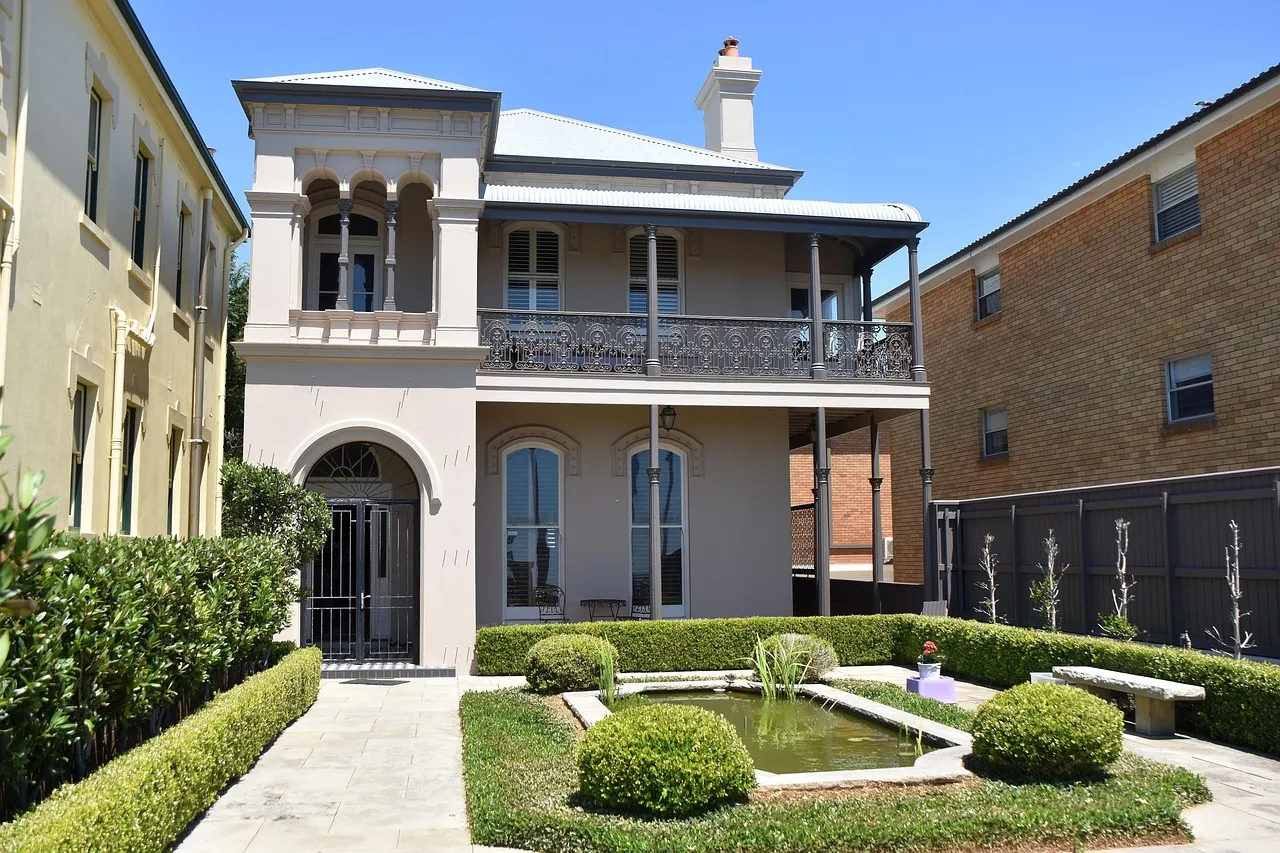 AustraliaRenting law in Australia is made by each state and territory, so New South Wales, Victoria, Queensland and Western Australia (home to Sydney, Melbourne, Brisbane and Perth) each have their own act, bond authority and tribunal or court; this page gives what they share and then each state's rules. Rent is advertised and paid per week (a listing reads 'A$650 per week'), the bond is held by a state authority rather than the landlord, and since 2023 all four states have moved towards the national 'A Better Deal for Renters': one rent increase a year, no rent bidding and, in NSW and Victoria, no eviction without a reason. Queensland still lets a landlord end a fixed-term lease when it expires with two months' notice, and Western Australia still allows ending a lease without any reason: its government announced on 30 April 2026 that this will end, but no bill had been introduced as of October 2026.
 AustriaIn Austria the building decides your rights. The Mietrechtsgesetz (MRG, Tenancy Act) applies in full, in part or not at all, depending on when and how the building was built, and only flats under full application have a capped rent (the Richtwert or category rent, with 25% off for a fixed term). Most new leases are fixed-term, with a legal minimum of three years, or five for leases signed from January 2026 when the landlord is a business, and since January 2026 a federal rent brake limits index increases on almost all flats in apartment buildings.
 BelgiumTenancy law in Belgium is regional: the Brussels-Capital Region, Flanders and Wallonia each have their own lease rules, so the address of the home decides which law applies. This page gives the most detail for Brussels and says where Flanders and Wallonia differ. In all three regions the standard lease for a main home runs nine years, rent can rise once a year with the health index, the deposit usually sits in a blocked account in the tenant's name and disputes go to the justice of the peace; only Brussels lets a tenant challenge a rent far above an official reference rent.
 CanadaRenting law in Canada is set by each province, so a flat in Toronto or Ottawa (Ontario), Vancouver (British Columbia), Calgary (Alberta) or Montreal (Quebec) comes with its own rulebook, tribunal and deposit rules; this page gives what the whole country shares and then those four provinces in detail. Everywhere, the rent between one tenant and the next is set freely. In Ontario, BC and Quebec a landlord cannot evict you without a reason the law accepts, and rent can rise only once a year within a limit or under tribunal control. Alberta is looser: rent can rise once a year by any amount, and a fixed-term lease simply ends on its date. Quebec stands out the other way: no deposit at all, a government lease form, no fixed yearly cap but a right to refuse any increase, and most leases ending on 30 June.
 ChileTenancy law in Chile is national: Ley 18.101 of 1982 on urban leases, filled in by the lease articles of the Civil Code (arts 1915–1977), applies in every city. It regulates how a lease ends and how cases are tried, not what a lease costs: there is no rent control, no cap on the deposit and no rule on when it must be returned, and many rents are set in UF (unidades de fomento, an inflation-indexed unit worth CLP$41,199.85 on 23 October 2026). The 2022 reform (Ley 21.461, known in the press as 'Devuélveme mi casa') gave landlords a fast-track 'monitorio' procedure for unpaid rent, so in practice the hurdle for a newcomer is the paperwork landlords and agents ask for: payslips, a credit report and often a guarantor.
 ColombiaColombia has one national law for home leases, Ley 820 de 2003, so the same rules apply in Bogotá and Medellín; what differs between the two cities is which office registers agencies, takes complaints and polices short lets. The law is unusually firm on two points: a landlord may not ask for a cash deposit at all, and rent can rise only once a year by no more than the previous year's inflation (5.10% for rises due in 2026). Because there is no deposit, agencies ask instead for codeudores (co-signers), usually with property and income, or for approval by an insurer that sells the landlord a rent guarantee policy, and that screening, not the law, is what makes renting hard for newcomers.
 CzechiaRenting a home in Czechia is governed by the Civil Code (občanský zákoník, Act 89/2012 Sb., §§ 2201–2301), whose flat-lease rules protect you during a lease: the deposit is capped at three months' rent, a landlord's notice needs a legal ground, and you have two months to ask a court to review it. What is unusual is how little protects you between leases: there is no rent control on a new lease, and one-year contracts renewed year after year are legal and the norm, so a landlord can simply let a fixed term run out. Since 1 January 2026 landlords can also get a faster court eviction order once a lease has ended (as of 2026-10).
 DenmarkDenmark has two rental worlds. More than 550 000 homes are almene boliger (non-profit housing), let from waiting lists by housing associations at cost-based rents, while private flats are covered by a strongly tenant-protective Lejeloven (Rent Act) under which rent in most older buildings is capped by cost or by comparison with similar flats, not set by the market. What surprises newcomers is the money due up front: a landlord may ask for up to three months' deposit plus up to three months' prepaid rent, on top of the first month's rent, and many do.
 FinlandRenting in Finland runs on one law, the Act on Residential Leases (laki asuinhuoneiston vuokrauksesta, 481/1995), and a market split between private owners of single flats, large institutional landlords, city-owned and other state-subsidised rental housing with income limits and queues, right-of-occupancy homes and student housing foundations. Rent on the open market is whatever the contract says: there is no rent cap, only a court test for rent that is clearly above the local going rate. The Act was substantially reformed with effect from 1 October 2026, and many of the new rules apply only to contracts signed from that date, so the date on your lease decides which rules you live under.
 FranceRenting a main home in France is governed by one national law, the loi du 6 juillet 1989 (the 1989 tenancy act), reshaped by the ALUR (2014), ELAN (2018) and Climat et résilience (2021) laws: unfurnished leases run three years, furnished ones one year, both renew automatically, and the landlord can only end them for a sale, to move in or for a serious reason. What is unusual is how much is fixed by law: a model contract, a closed list of documents a landlord may ask for, capped agency fees, a ban on letting the worst energy-rated homes, and in some 70 communes (Paris, Lille, Lyon, Bordeaux, Montpellier and others) a legal ceiling on rents. That rent-cap experiment is due to expire on 24 November 2026 unless Parliament extends it; a Senate committee voted on 14 October 2026 to extend it to November 2028 and the full Senate debates the bill from 21 October 2026, so its future is still pending as of 2026-10.
 GermanyGermany is a nation of renters, and its tenancy law (BGB §§ 535–580a) is among the most tenant-friendly in Europe: most leases run indefinitely, a landlord can only give notice with a legal reason, and the deposit is capped at three months' cold rent. The catch is getting in. In the big cities flats are scarce, a rent brake (Mietpreisbremse) caps new rents in about 800 municipalities but is often ignored, and landlords pick tenants with German payslips, a clean SCHUFA credit record and a registered address.
 GhanaGhana has one national rent law for the whole country: the Rent Act 1963 (Act 220), amended by the Rent Control Law 1986 (PNDCL 138), run by the Rent Control Department and its rent officers. Rent is advertised by the month but landlords usually want one or two years paid upfront, although the law has capped rent in advance at six months since 1963, and in 2026 the Rent Control Department said it would begin enforcing that cap and register every landlord. A new Rent Act to replace both laws was promised to Parliament in June 2026 but had not been laid before it as of 2026-10.
 GreeceRenting a home in Greece is governed mainly by the Civil Code (Astikos Kodikas, arts. 574 ff.) plus one surviving rule of the old tenancy law: a lease for a home runs at least three years, whatever the contract says (Law 1703/1987 art. 2.1). There is no rent control, no legal cap on the deposit and no deposit scheme; instead, the state works through the tax system: every lease must be declared electronically to the tax authority (AADE), the tenant confirms it with their own tax number (AFM), and that declaration is what unlocks the yearly rent refund and other support. Several rules are moving: rent must be paid only by bank transfer from 1 July 2027 (postponed three times), new short-term lets are banned in central Athens until 31 December 2026 (a further year was announced in September 2026 but is not yet law), and the tax break for bringing empty homes to the long-term market covers leases signed by 31 December 2026, as of 2026-10.
 Hong KongRenting a flat in Hong Kong is governed mostly by the tenancy agreement itself: security of tenure for ordinary homes was abolished in 2004, there is no rent control, no cap on deposits and no deposit protection scheme, so what you sign is what you get. The state's role is mostly paperwork (stamp duty on every tenancy agreement and the landlord's Form CR109 notice to the Rating and Valuation Department) plus the Lands Tribunal for repossession. The big exception is the subdivided flat, the 劏房 (subdivided unit): since 22 January 2022 these tenancies have a fixed four-year cycle, capped renewal rents and capped deposits, and since 1 March 2026 a new Basic Housing Units licensing regime is being phased in.
 HungaryRenting in Hungary is governed by the Housing Act (1993. évi LXXVIII. törvény, the Lakástörvény) and the lease chapter of the Civil Code (Polgári Törvénykönyv, Ptk.), which leave rent, deposit and term largely to the contract: there is no rent control, no deposit cap and no deposit scheme, and a private landlord may end an open-ended lease without giving a reason. What protects a tenant is procedure: only a court order or a notarial deed enforced by a court bailiff can remove you, and bailiffs postpone evictions of private individuals from 15 November to 30 April. Many landlords therefore ask the tenant to sign a notarised kiköltözési nyilatkozat (move-out declaration), which lets them skip the lawsuit. As of 2026-10-02 the Budapest moratorium on new short-term lets runs to 31 December 2026, with nothing yet decided for 2027, and we found no bill before Parliament that would change the tenancy rules.
 IcelandRenting in Iceland runs on one national law, húsaleigulög (the Rent Act), which has been rewritten in steps since 2024: every residential lease must now be registered in HMS's national lease register, rent on a fixed-term lease cannot change in its first year, and a landlord who wants to end an open-ended lease has to give a lawful reason. There is no rent cap, and many leases are indexed to the consumer price index, often month by month. Disputes go to a free state committee, kærunefnd húsamála, whose rulings bind both sides, and most practical steps, from signing the lease to claiming housing benefit, assume you already have a kennitala (Icelandic ID number) and a registered address.
 IrelandIreland has one national tenancy law, the Residential Tenancies Acts 2004 to 2026, run by a single state body, the Residential Tenancies Board (RTB), which registers every tenancy, handles disputes instead of the courts and enforces rent rules. Since 1 March 2026 there is a national rent cap of 2% a year or inflation if lower, and new tenancies roll in six-year cycles in which a landlord's right to end the tenancy depends on how many tenancies they have. Rooms in the owner's home and sublets from other tenants are licences with far fewer protections, and many newcomers start in one.
 ItalyRenting a home in Italy runs on one national law, Legge 431/1998, with parts of the older Legge 392/1978 and the Civil Code still in force. You choose between a free-rent 4+4 contract and a cheaper, tax-favoured 3+2 'canone concordato' (agreed rent) whose rent bands are set city by city by landlord and tenant unions. What stands out: every lease over 30 days must be registered with the tax office within 30 days, and an unregistered 'in nero' (off-the-books) lease is legally void, which gives tenants real leverage. Evictions are slow, often 6 to 16 months (idealista/news, May 2026), which is why landlords ask so much of new tenants.
 JapanJapan has one national tenancy law: the Civil Code and the Act on Land and Building Leases (shakuchi shakka hō, 1991), which strongly protects tenants on an ordinary lease: it renews almost automatically and a landlord can only refuse with 'just cause' weighed by a court. What surprises newcomers is the cost of getting in: deposit, non-refundable key money, an agent's fee of up to one month's rent plus tax, a guarantor company's fee and insurance often add up to three to six months' rent at signing, and the customs behind those payments differ between the Tokyo region (Kanto) and the Osaka region (Kansai). There is no rent control, but a landlord cannot raise the rent on a sitting tenant without the tenant's agreement or a court's decision.
 KenyaKenya has no single modern law for renting a home. The old Rent Restriction Act only protects homes whose standard rent is KSh 2,500 a month or less, a limit unchanged since 1981, so almost every flat in Nairobi and the other cities falls outside it and is governed by the lease itself, the Land Act 2012 and ordinary contract law. That means no cap on deposits, no deposit protection scheme and no rent control, and a Landlord and Tenant Bill meant to change this lapsed in 2022 and has not been brought back as of 2026-10.
 LuxembourgLuxembourg has one national tenancy law for the whole Grand Duchy: the amended loi du 21 septembre 2006 sur le bail à usage d'habitation (Residential Lease Act), last reformed on 1 August 2024. On paper it is strict: every lease must be written, the deposit is capped at two months' rent, the agency fee is split half and half, the yearly rent may not exceed 5% of the capital invested in the home, and a lease that ends is extended indefinitely unless the landlord has a legal reason. The ceiling is set by what the landlord invested, not by local rents, and a reform of how it is calculated has been asked for since 2024, with no bill filed as of October 2026.
 MexicoTenancy law in Mexico is state law: each of the 32 states, and Mexico City, has its own civil code with its own lease chapter, so the address of the home decides which rules apply. This page gives what is common to the whole country (federal tax, currency, consumer and migration rules, and the new national code of civil procedure) and then the rules of Mexico City in most detail. In Mexico City a home lease must be written, runs at least one year, can rise only once a year and by no more than the previous year's inflation, and the deposit is capped at one month's rent; in practice landlords also ask for a fiador (guarantor) who owns property or a paid póliza jurídica (legal guarantee policy), and that, more than the law, is what makes renting hard for newcomers.
 MoroccoMorocco has one national law for renting a home: Law 67-12 of 2013 on leases of homes and professional premises, in force since early 2014 and last amended in February 2019. It requires a written lease with a 'date certaine' (a legally provable date), an inventory at move-in and move-out, a deposit of no more than two months' rent, and increases of at most 8% every three years, and a landlord can end a tenancy only on a ground the law lists and, if the tenant stays, through the court. Nothing caps the starting rent, agents are not regulated, and as of 2026-10 the government is studying a lower-rent 'regulated rent' model and tighter rules on short lets, with no text published.
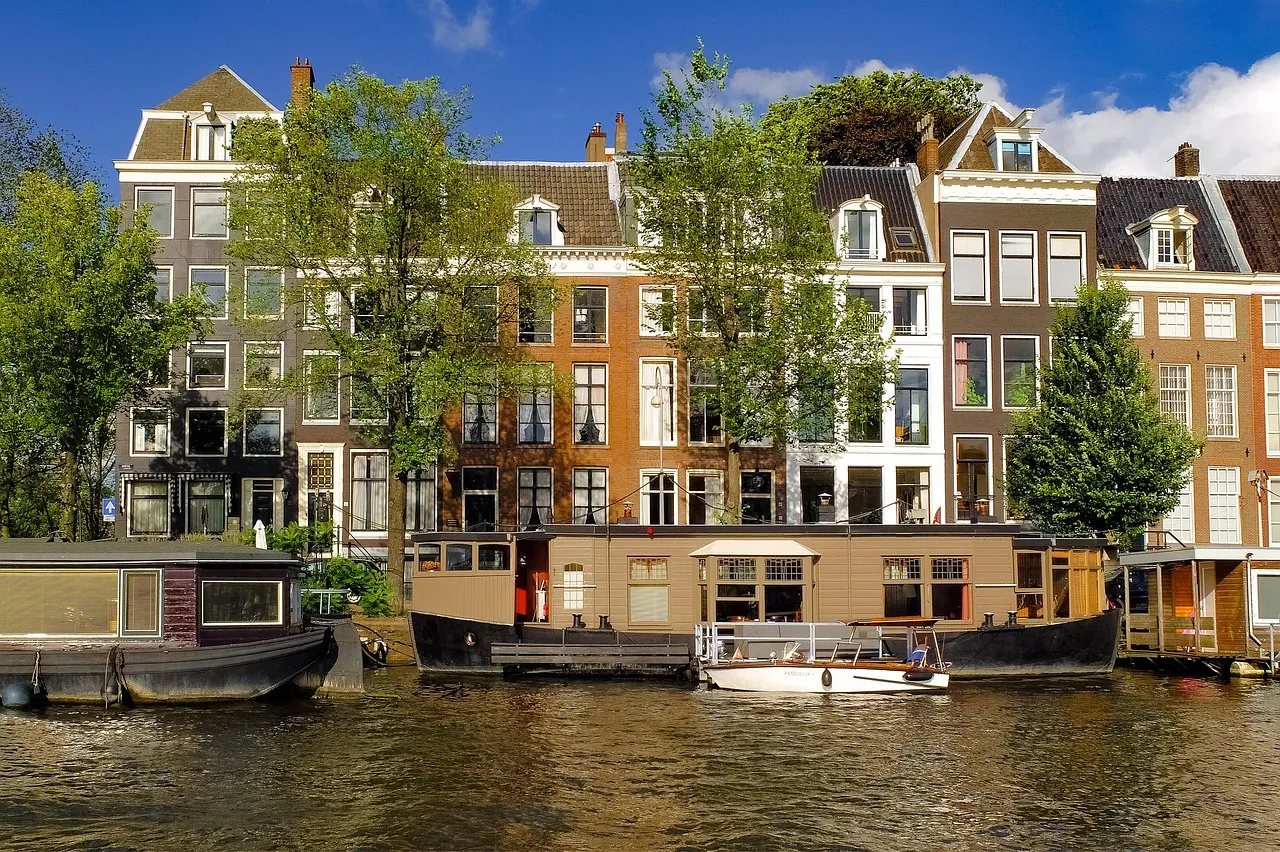 NetherlandsDutch renting runs on a points system: the woningwaarderingsstelsel (WWS, housing valuation system) scores every home, and since the Wet betaalbare huur (Affordable Rent Act) of 1 July 2024 the points set a legal maximum rent for everything up to 186 points, so for social homes and for the new regulated mid-rent segment, private landlords included. Above that is the free sector, where the landlord sets the starting rent but increases are capped every year. Since 1 July 2024 open-ended contracts are the rule again, a landlord can only end one on grounds set out in the law, and there is a cheap national rent tribunal, the Huurcommissie; in practice the pinch is supply, as many private landlords have been selling up since the reforms.
 New ZealandNew Zealand has one national tenancy law, the Residential Tenancies Act 1986, run by Tenancy Services (part of the Ministry of Business, Innovation and Employment), which holds every bond and handles disputes together with the Tenancy Tribunal. Rent is quoted and paid per week: an advert saying NZ$650 means NZ$650 a week, and the bond, rent in advance and notice rules are all counted in weeks of rent. There is no cap on how much rent can rise, but only once every 12 months, and since 30 January 2025 a landlord can again end a periodic tenancy with 90 days' notice without giving a reason.
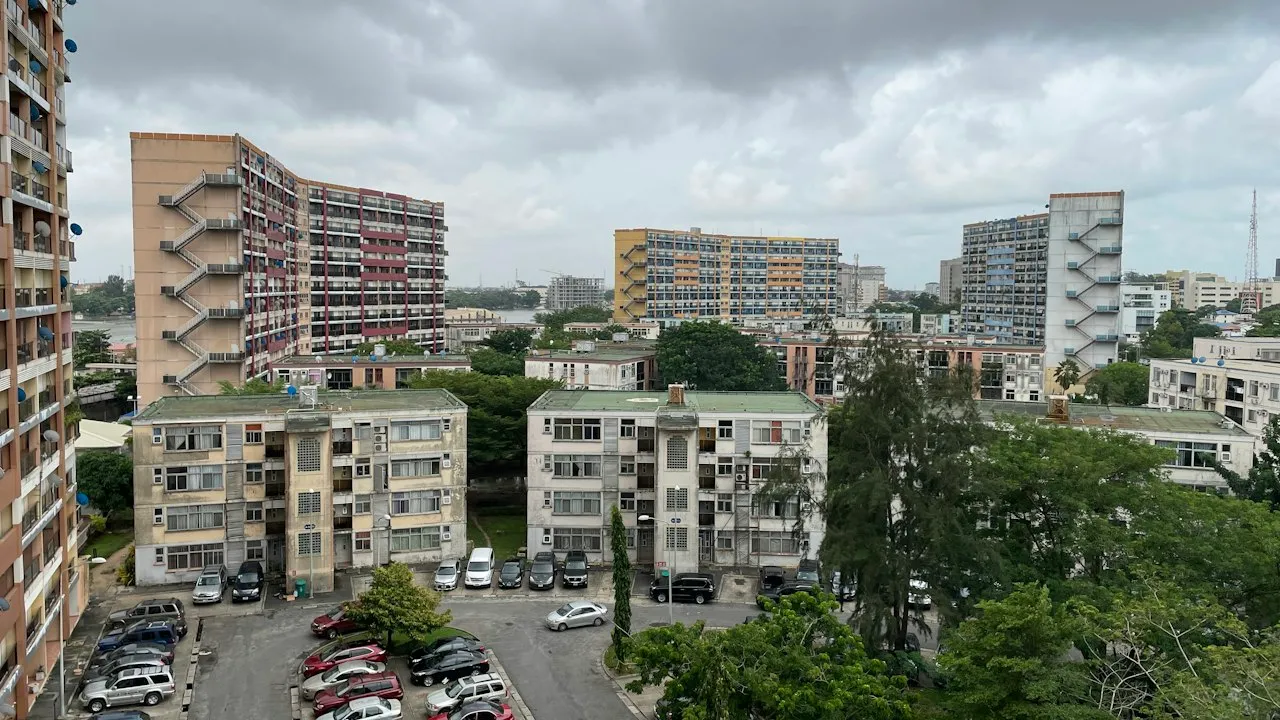 NigeriaNigeria has no national tenancy law: each of the 36 states makes its own, and the Federal Capital Territory (Abuja) follows a federal act, so this page sets out what is common and then Lagos State's rules in most detail, with a short passage for Abuja. Rent is quoted per year and usually paid a year in advance, with agency, legal and caution fees on top, and Lagos law already makes it an offence to take more than one year's rent in advance from a new tenant. A new Lagos tenancy bill that would cap agency fees at 5% and limit sitting monthly tenants to three months' rent in advance has been at committee stage in the State House of Assembly since July 2025 and is not law as of 2026-10.
 NorwayRenting in Norway runs on one national law, husleieloven (the Tenancy Act), and there is no rent control: rent is agreed freely at the start and can then rise only with the consumer price index, or to the going local rent after a long tenancy. Two things surprise newcomers. A landlord may ask for up to six months' rent as a deposit, but it must sit in a blocked bank account in the tenant's own name, never in the landlord's pocket. And almost everything, from that account to signing the contract with BankID, assumes you already have a Norwegian identity number.
 PolandRenting in Poland is governed by the Civil Code (Kodeks cywilny) and the Act on the protection of tenants' rights (ustawa o ochronie praw lokatorów, 2001), which leave the starting rent free but protect a tenant on an ordinary lease strongly: notice only on the grounds the Act lists, eviction only through a court, and no eviction in winter for someone with nowhere to go. That is why many private landlords offer the najem okazjonalny (occasional lease) instead, and business landlords the najem instytucjonalny (institutional lease): the tenant signs a notarial deed accepting eviction, and the winter ban and the right to social housing fall away. As of 2026-10-01 bills to make ending an ordinary lease easier and to regulate short-term letting are in the Sejm, and none of them is law.
 PortugalRenting a home in Portugal is governed by the Civil Code (Código Civil, arts. 1064 ff.) and the NRAU (Novo Regime do Arrendamento Urbano, new urban tenancy regime, Lei 6/2006), last reshaped by the 2023 'Mais Habitação' housing law (Lei 56/2023). A lease for a permanent home runs at least one year, renews automatically and cannot be ended by the landlord in its first three years except for own use, the deposit and advance rent are each capped at two months, and every contract must be registered with the tax authority. Much of this may change: the government's bill to lift the deposit cap, end the cap on new-contract rents and speed up evictions (Proposta de Lei 103/XVII) passed its first reading in Parliament on 30 September 2026 and is now in committee, where the PSD and Chega have agreed to amend it. It is not yet law and the current rules still apply (as of 2026-10-01), so check before relying on it.
 SingaporeSingapore has no residential tenancy act: a private letting rests on the tenancy agreement and general contract and property law, so what you sign decides your deposit, notice, repairs and how the tenancy can end, and there is no deposit scheme, no rent control and no tenancy tribunal. What the state does regulate tightly is who may rent what: HDB public flats (owner approval, a six-month minimum, a quota for non-Malaysian non-citizens, occupancy caps), private homes (a three-month minimum stay and occupancy caps), identity and immigration checks on every tenant, licensed property agents, and stamp duty on every tenancy agreement. Small claims about a residential tenancy of up to two years go to the Small Claims Tribunals.
 South AfricaSouth Africa has one national tenancy law, the Rental Housing Act 50 of 1999, but each of the nine provinces runs its own Rental Housing Tribunal, a free dispute service whose rulings count as Magistrates' Court orders, under its own unfair-practice rules. There is no rent control: the lease sets the rent, the yearly escalation and the deposit, and the Consumer Protection Act adds a 24-month limit on fixed terms and a right to cancel early on 20 business days' notice when the landlord lets as a business. Evictions need a court order, so lock-outs and cutting the electricity are unlawful, and an amendment act passed in 2014 that would make written leases compulsory has still not been brought into force (as of 2026-10).
 South KoreaSouth Korea has one national tenancy law, the Housing Lease Protection Act, which overrides the Civil Code in the tenant's favour: a lease lasts at least two years, the tenant can demand one two-year renewal (the '2+2' since July 2020), and rent can rise by no more than 5% within a lease or at that renewal. What is unusual is the money: instead of rent many homes are let on jeonse, a lump-sum deposit often worth a large share of the home's value that the landlord returns at the end, and even monthly-rent lets (wolse) come with deposits of several months' rent or more. Protecting that deposit, through moving in, registering your address and getting a fixed date on the contract, matters more here than almost anything else, as the wave of jeonse fraud since 2022 showed.
 SpainRenting a home in Spain is governed by one national law, the Ley de Arrendamientos Urbanos (LAU, urban tenancies act), reshaped by the 2023 Housing Law, while the regions run deposits, rent aid, tourist-flat licences and the choice of whether to cap rents. A tenant in a main home gets strong security (five years minimum, seven with a company landlord) and pays no agency fee, but in practice many listings are seasonal or room lets that give fewer rights. Two housing decree-laws that would have rewritten seasonal and room lets and capped rent rises were voted down by Congress on 2 October 2026, so the rules below are the standing ones.
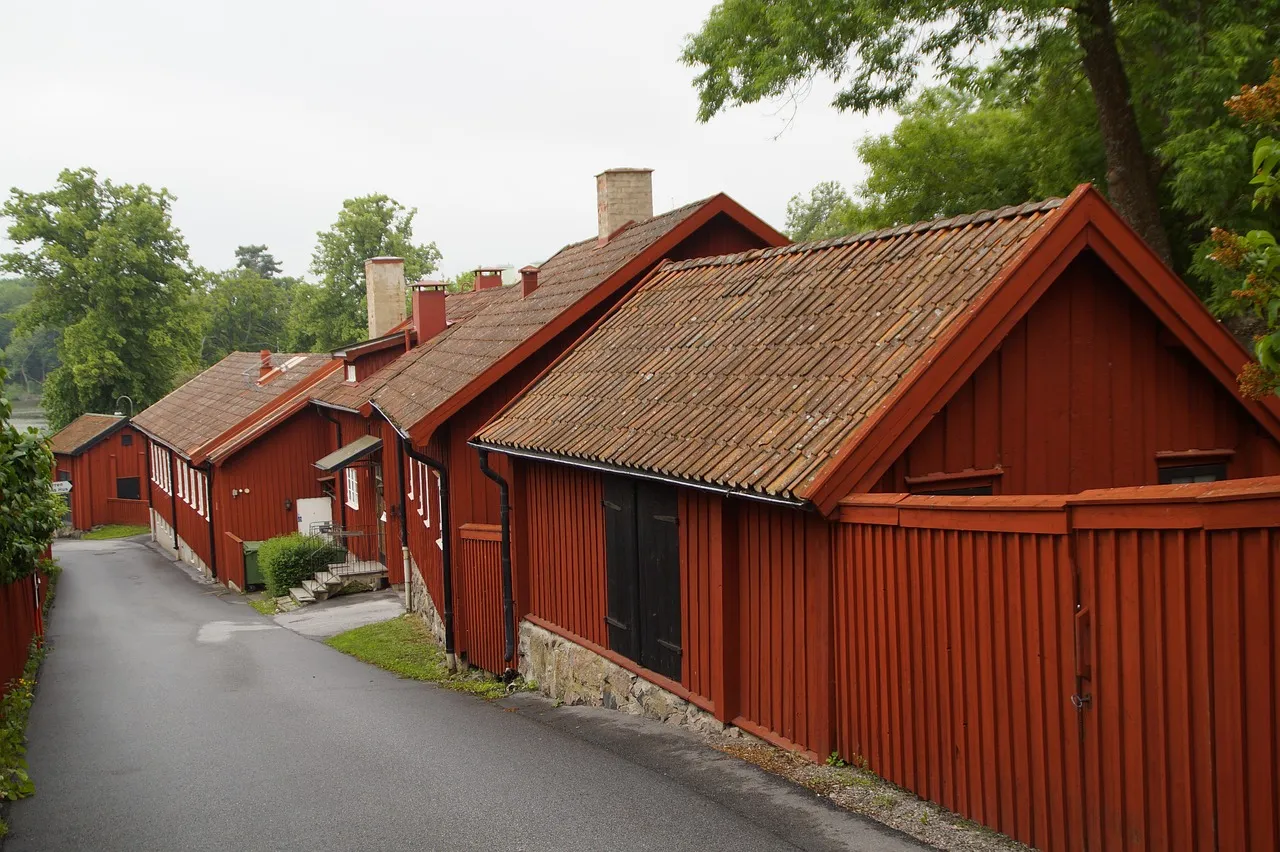 SwedenSweden has two rental markets that run on different rules. First-hand flats (förstahandskontrakt) are let by housing companies at rents set through collective negotiation under the bruksvärde (utility value) system, come with strong security of tenure and are handed out through queues that can take years. Almost everyone else rents second-hand or from a private owner, and since 1 July 2026 homes let by private individuals fall under a new Privatuthyrningslag (Private Letting Act, SFS 2026:772) that lets owners charge close to market rents.
 SwitzerlandMore than half of Switzerland's population rents, under federal tenancy law in the Code of Obligations (Art. 253–273c CO) that applies the same way in Zurich, Geneva and every other canton. There is no rent cap. Instead, a rent may not give the landlord an excessive return, and rents move with a published mortgage reference rate, which stood at 1.25% in October 2026. The hard part is getting in: on 1 June 2026 only 0.93% of all homes in Switzerland stood empty, and just 0.52% in the canton of Zurich and 0.31% in Geneva. Landlords pick from crowded viewings and ask for a debt-enforcement register extract, a residence permit and payslips.
 ThailandThailand has no dedicated tenancy act: renting is governed by the hire-of-property chapter of the Civil and Commercial Code, plus a consumer-protection notification that, since 4 September 2025, puts landlords letting three or more homes under a compulsory standard contract with a cap of three months' rent on deposit and advance rent combined. A private owner letting one condominium is outside that notification, so the written contract is what protects you. Foreign tenants rent on a passport alone, but the law requires the landlord or house master to report a foreigner's address to immigration within 24 hours, and there is no rent control.
 United Arab EmiratesThere is no national tenancy law in the United Arab Emirates: each emirate sets its own, so this page gives what is common to all, then Dubai's rules in most detail, with marked comparisons for Abu Dhabi and Sharjah. Rent is quoted and agreed per year (an advert saying AED 85,000 means AED 85,000 a year) and is usually paid in advance with one to twelve post-dated cheques (in Dubai, since June 2026, also monthly with the companies in the Flexi Rent scheme), and every contract must be registered with the emirate's system (Ejari in Dubai, Tawtheeq in Abu Dhabi, the municipality in Sharjah) before water and electricity can be connected. Dubai caps renewal increases by how far your rent is below the official index, Abu Dhabi has frozen renewal increases at 0% since June 2026 (except on Al Reem and Al Maryah Islands, which are part of ADGM), and Sharjah bars increases for the first three years of a tenancy.
 United KingdomHousing law is devolved, so England, Scotland, Wales and Northern Ireland each have their own renting rules; this page follows England. Since the Renters' Rights Act 2025 took effect on 1 May 2026, private tenancies there roll on with no end date, 'no-fault' section 21 evictions have ended and rent can rise only once a year. Rent itself is not capped anywhere in the UK: landlords set the market rate, and tenants can ask a tribunal to check that an increase is not above it.
 United StatesThere is no national tenancy law in the United States: renting is governed by each state's law, big cities add their own ordinances on top, and the federal layer is thin (discrimination, lead-paint disclosure, tenant screening). This page gives what applies everywhere, then the rules of New York, California, Massachusetts, Florida, Illinois, Washington and Pennsylvania, the states our city pages are in, and of the District of Columbia (Washington DC), which is not a state and makes its own tenancy law through its Council. Most leases run for 12 months, most market-rate rent is not controlled, and what a landlord may charge up front, how much rents may rise and how hard it is to evict all differ sharply from one state to the next.