Renting in Hamburg
Hamburg is cheaper than Munich but far from easy: asking rents average about €13–14 per m² cold on the big portals and €16.50 on the Kiel Institute's index (2026), and a room in a shared flat averages €650 warm. Good flats are often online for only minutes, so a ready application folder and fast replies matter. What sets Hamburg apart is its large stock of city and co-operative housing: register with SAGA and the co-ops from day one, but expect to start in a room or a furnished let.
Checked 1 October 2026Deposits, contracts and notice periods: Germany rules

The situation right now
Asking rents are still rising. Immowelt puts flats in the city at €13.98 per m² cold in October 2026 (+4.8% on a year earlier), ImmoScout24 at €13.00 in Q2 2026 (+1.3%), and the Kiel Institute's GREIX index, which covers several portals, at €16.50 in Q2 2026 (+5.1%). The city's own Mietenspiegel 2025, which reflects existing contracts rather than adverts, has a median of just €9.94 per m² (reference date 1 April 2025), which shows how far new lettings sit above what long-standing tenants pay.
Supply is thin for a city of Hamburg's size. On 1 October 2026 Immowelt listed about 3,190 flats for rent and Kleinanzeigen about 3,320. A study for the city found that the share of portal listings offered furnished or for a limited time rose from 3.5% in 2014 to 17.9% in 2023, and reached 29% in Eimsbüttel, 27% in St. Pauli and 25% in Rotherbaum (Behörde für Stadtentwicklung und Wohnen, May 2026). The city targets 10,000 new homes a year; about 8,300 were approved in 2024.
What makes Hamburg different is the size of its non-profit stock: the municipal company SAGA lets more than 140,000 flats at an average of €7.46 per m² (2024), and the city's 30 housing co-operatives own almost 135,000 more. Both are hard to get into, but SAGA is open to anyone who registers, and its free-market flats need no income certificate. In the private market you compete with students, young professionals and families who already have German payslips and a clean SCHUFA record; landlords expect a complete application folder.
The Mietpreisbremse (rent brake) applies across the whole city from 1 January 2026 to 31 December 2029 under a Senate ordinance of November 2025. It is widely ignored: the Mieterverein zu Hamburg found that in 93% of the cases it checked between December 2022 and January 2025 the rent was above the limit, on average by €5.23 per m². Since February 2025 tenants can report suspected excessive rents to the district offices through the city's online Mietenmelder.
On an average salary a one-bed flat outside the most popular quarters is within reach, but finding one takes time. Many newcomers start in a WG room or a furnished flat, register their address, open a German account and build up payslips, while applying to SAGA, the co-operatives and the portals in parallel.
Behind the scores
Landlords expect a self-disclosure form, SCHUFA report, payslips and often a rent-debt-free letter, which newcomers lack. 17.9% of listings were furnished or fixed-term in 2023, 29% in Eimsbüttel (study for the city, 2026-05). Co-ops are largely closed to non-members. SAGA's lottery is open to anyone who registers and furnished lets need no German paperwork. As of September 2026.
One-bed of 45–55 m² in central-ish quarters at €15.20–17.60 per m² cold (ImmoScout24, Q2 2026): €680–970 cold, €800–1,120 warm with €2.67 per m² for service charges and heating (Deutscher Mieterbund, national average, 2024). Median net pay about €2,900–3,000 (our estimate for tax class I, 2026, after social contributions and income tax, from €4,567 gross for full-time employees living in Hamburg, Bundesagentur für Arbeit, end 2025). Share: 27–39% warm, which we score; 23–33% cold. As of September 2026.
Tenants describe listings online for only a minute or two, and one family sent over 100 applications on ImmoScout24 for five viewing invitations (Mieterverein zu Hamburg, Mieterjournal 1/2025). About 3,190 flats listed citywide (Immowelt, 2026-10-01). SAGA allocates by random draw and warns of long waits; co-ops mostly let to members. As of September 2026.
Hamburg police keep standing warnings about fake listings, key-box viewings and fake video identification (polizei.hamburg, seen 2026-10). Police arrested a fake landlord taking cash deposits in Eimsbüttel (Radio Hamburg, 2025-01), and a 2023 key-box series cost over 100 victims more than €400,000 (VICE). No dated warning in the last 12 months. As of September 2026.

What it costs
| Type | Typical asking rent | Source |
|---|---|---|
| Room in a shared flat (WG-Zimmer)Average warm rent (bills included) €650 at the start of the 2026 summer semester, level with Berlin. Furnished rooms on HousingAnywhere cost €750–850 including utilities; student halls of the Studierendenwerk run from about €310 to over €400 warm. | €600–850 a month | Moses Mendelssohn Institut / WG-Gesucht data via Studis Online; HousingAnywhere, September 2026 |
| Studio or one-bed flat (1–2 Zimmer, 35–50 m²)Cold rent, calculated from about €12 per m² in outer quarters to €15–17.60 in central ones (ImmoScout24, Q2 2026); flats under 40 m² are advertised at a premium per m². Service charges and heating come on top, roughly €2.50–3 per m². Furnished studios on HousingAnywhere cost about €1,100–1,250 including utilities. | €500–900 a month | ImmoScout24 Mietspiegel Hamburg, district and quarter averages, September 2026 |
| Two-bed flat (3 Zimmer, 65–80 m²)Cold rent, calculated from district averages of about €12.70–14.35 per m² and up to €17 in the popular quarters (ImmoScout24, Q2 2026); Immowelt's city average is €13.98 per m² (October 2026). Service charges and heating come on top. | €850–1,350 a month | ImmoScout24 Mietspiegel Hamburg, September 2026 |
Asking rents on the portals; what people actually pay is often lower for older contracts and higher for furnished short lets. Deposits and what can legally be charged on top are on the Germany page.
Where to search
We can never guarantee that an agency, listing or landlord is legitimate. The channels below are where people in Hamburg actually look, not a list of safe places. Never pay a deposit, a fee or a "reservation" before you have seen the flat and met the person with the keys, and read our guide to avoiding rental scams first.
Official channels
Public housing queues, municipal registers and city programmes. Slow, but this is where the honest, regulated stock is.
- SAGA UnternehmensgruppeThe city's housing company and Germany's largest municipal landlord, with more than 140,000 flats in almost every quarter at an average of €7.46 per m² (2024). For general searches you register a profile with its partner Immomio; each flat then goes to applicants who match its criteria by random draw. Size rules apply (one person up to about 50 m², two up to about 60 m²). SAGA charges no fee and says to use only its own site and Immomio. It warns that long waits are normal.
- Hamburg housing co-operatives (Hamburger Wohnungsbaugenossenschaften e.V.)Umbrella of 30 co-operatives with almost 135,000 flats. It does not place flats itself: you apply to each co-op directly (a map and an infoline are on its site). You buy shares to become a member, and many co-ops give flats mainly to existing members or only admit new members together with a flat, so apply to several and keep checking their own listings.
- Bauverein der Elbgemeinden (BVE)Hamburg's largest co-operative, with about 14,600 flats and 23,500 members. Flats are advertised on its website and you apply through an online account.
- Wohnberechtigungsschein and Dringlichkeitsschein (city of Hamburg)A WBS gives access to subsidised flats. Hamburg's limits are higher than the federal ones and come in three tiers: for one person €19,200, €24,000 or €28,800 net a year. You need permission to stay long-term, apply at your district office's housing department or online via HamburgService, and the certificate is valid for two years. A Dringlichkeitsschein gives priority to households in acute need, such as those threatened with homelessness.
- Studierendenwerk Hamburg – halls of residence26 halls with about 4,770 places for students of partner universities and trainees, at all-inclusive rents from about €310 to over €400 a month. You apply online for up to three halls or all halls; waits for one-room apartments are long, so include shared-flat rooms.
Portals
Where most listings are. Set alerts and reply fast; read every listing with the scam guide in mind.
 ImmoScout24The largest portal, used by most agents and many housing companies. Set instant alerts and reply fast; Hamburg tenants report paying for a premium membership for months and still getting few viewing invitations.
 ImmoweltThe second big portal, with about 3,190 Hamburg flats on 1 October 2026; many listings overlap with ImmoScout24.
 KleinanzeigenGeneral classifieds with about 3,320 Hamburg rental flats on 1 October 2026, many from private landlords and outgoing tenants looking for a Nachmieter. Fake listings appear here too: never pay before a signed contract and keys.
 WG-GesuchtThe main site for WG rooms, sublets and small flats: about 900 WG rooms and 1,325 offers in all on 1 October 2026. Flatmates choose who moves in, so a personal message matters as much as speed.
 ImmomioApplication platform used by SAGA and other landlords: you create a tenant profile once and are matched to flats. Registering is how you get into SAGA's general allocation.
 WunderflatsFurnished flats with contracts and online booking. Its own guide puts furnished one-room flats at about €900–1,500 a month depending on district.
 HousingAnywhereMid-term rooms, studios and private student residences, popular with students and interns: rooms €750–850 and studios about €1,100–1,250 including utilities on 1 October 2026.
Agencies and relocation services
Most charge a fee, and we cannot vouch for any of them. Check the company register and reviews before you sign anything.
 HomeCompany HamburgAgency for furnished flats on temporary leases, mainly for people relocating for work. You submit a search profile and it sends matching offers; it says the service is free for tenants.
Groups and word of mouth
Facebook groups and forums are where the informal market lives, and where most scams start.
- Facebook: WG gesucht, WG Suche, WG Zimmer und Wohnungen in HamburgCommunity page for WG rooms and flats. Posts are unchecked: never send ID copies or money to someone you have not met in the flat.
- Facebook: Freie Wohnungen in HamburgLarge page sharing flats and rooms for rent. Treat any 'landlord abroad' story or request for a deposit before a viewing as fraud.

Local tips
Gathered from local forums, city subreddits and expat groups, rewritten in our own words. They are what people who have done this say helped; none of it is a guarantee.
Register with SAGA via Immomio in your first week
SAGA does not run a classic waiting list: it draws applicants at random from those whose profile matches each flat. A profile costs nothing, and only a registered profile can be drawn, so set it up as soon as you know your household size and budget, and keep it current. Stick to SAGA's size rules (about 50 m² for one person, 60 m² for two) or your profile will not match.
Source: SAGA Immobiliensuche page, 2026-10
Apply to several co-operatives, not just one
Hamburg's 30 co-ops own almost 135,000 flats, often among the cheapest rentals in the city, but each one decides its own admissions and some only take new members together with a flat. Check each co-op's own listings regularly, apply to several, and budget for the membership shares you buy on joining.
Source: Hamburger Wohnungsbaugenossenschaften e.V. and Bauverein der Elbgemeinden websites, 2026-10
Check whether you qualify for a WBS
Hamburg's income limits reach well into middle incomes: a single person may earn up to €28,800 net a year for the third tier of subsidised flats. The certificate is valid for two years and costs about €10–20. Apply at the district office or online once you have a registered address and long-term residence status.
Source: hamburg.de, Sozialwohnungen page, 2026-10
Hold the asking rent against the Mietenspiegel
Under the rent brake a new rent may be at most 10% above the local reference rent, which you read from the Mietenspiegel 2025 table using the street's classification in the Wohnlagenverzeichnis (normal or good location). The tenants' association found most rents it checked were above the limit; members can have it checked, and anyone can report a suspected excessive rent through the city's Mietenmelder with a copy of the lease.
Source: City of Hamburg Mietenspiegel and Mietenmelder pages; Mieterverein zu Hamburg via t-online, 2025-11
Reply within minutes, with everything ready
Hamburg tenants describe good listings disappearing after a minute or two. Keep a single PDF ready with the self-disclosure form, SCHUFA report, payslips and ID, set push alerts on ImmoScout24, Immowelt and Kleinanzeigen, and send a short personal message the moment a listing appears. Hand over the full folder once you have seen the flat and know the landlord is real.
Source: Mieterverein zu Hamburg, Mieterjournal 1/2025
Look south of the Elbe
Harburg, Heimfeld and Wilhelmsburg are some of the cheapest areas connected to the S-Bahn: about €11.60–12.60 per m² against €16–17 in Ottensen, Eppendorf or Winterhude (ImmoScout24 and immoportal, 2026). Harburg is also home to the Technical University (TUHH), so it has a student scene of its own.
Source: ImmoScout24 Mietspiegel Harburg and Altona, Q2 2026; immoportal Mietspiegel Hamburg, 2026
Use a furnished let as a bridge, not a destination
Furnished and fixed-term flats make up a large share of listings in the popular quarters and are a common way around the rent brake. They are useful for the first months, to register your address, open an account and collect payslips, but compare the price with an unfurnished flat and check the end date before you sign.
Source: Behörde für Stadtentwicklung und Wohnen, study on furnished and temporary housing, 2026-05
Students: apply for all halls and answer every list check
The Studierendenwerk lets you apply for up to three halls or for all of them; choosing all and including shared-flat rooms, not just one-room apartments, speeds things up. It regularly emails applicants to confirm interest, and anyone who misses the deadline is removed from the list.
Source: Studierendenwerk Hamburg, application information, 2026-10
Letting out a room short-term? Get a Wohnraumschutznummer
Every short-term let to changing guests in Hamburg needs a housing protection number in the listing. Until 31 December 2026 you may let less than half of your main home without a time limit; an amendment passed on 6 May 2026 ends that exception on 1 January 2027, after which letting your own home without a permit is limited to under eight weeks a year.
Source: hamburg.de, FAQ on the Wohnraumschutznummer; Hinz&Kunzt, 2026-05
Neighbourhoods
Ottensen higher rents
Lively former industrial quarter in Altona with cafés, shops and the Elbe close by; about €16.50 per m² (ImmoScout24, Q2 2026). Very popular with young professionals and families, so expect heavy competition.
Sternschanze and St. Pauli higher rents
Nightlife, bars and alternative culture around the Schanze and the Reeperbahn; Sternschanze about €16.50 per m² (ImmoScout24), St. Pauli about €15.30 (immoportal, 2026). In 2023, 27% of St. Pauli listings were furnished or fixed-term.
Eimsbüttel and Hoheluft higher rents
Leafy Altbau streets around Osterstraße, near the university; Hoheluft-West about €16.50 per m² (ImmoScout24). Eimsbüttel had the highest share of furnished or fixed-term listings in the city in 2023, at 29%.
Winterhude and Eppendorf higher rents
Upmarket residential quarters near the Alster and the Stadtpark, about €16.60–16.95 per m² (ImmoScout24, Q2 2026). Popular with families and professionals; few vacancies.
Barmbek mid-range
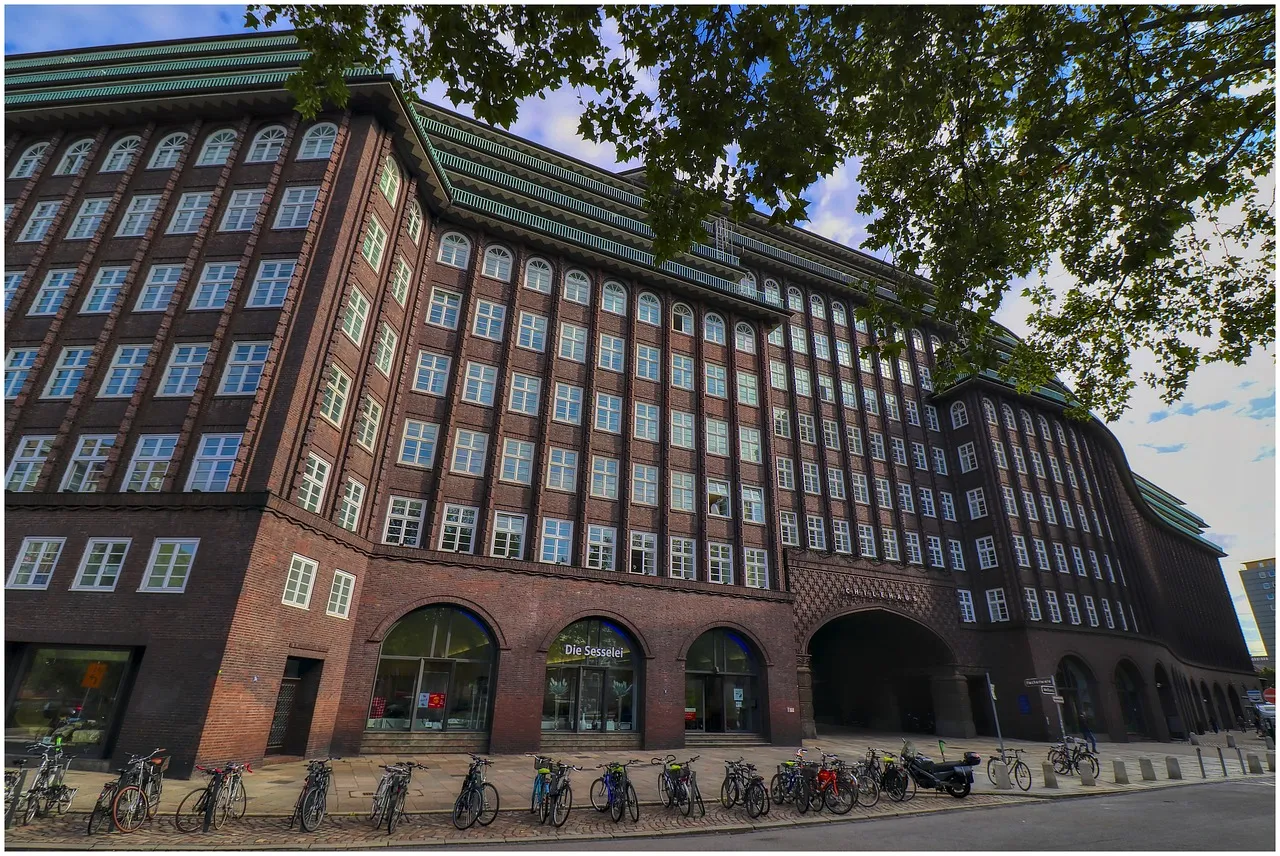
Traditional brick-built working-class area north-east of the Alster, now popular with younger renters; about €15.20 per m² in Barmbek-Süd and €14.25 in Barmbek-Nord (ImmoScout24), with good U-Bahn and S-Bahn links.
Wandsbek and Eilbek mid-range
Large residential district east of the centre; Eilbek about €14.15 per m² and the wider Wandsbek district €12.70 (ImmoScout24, Q2 2026). Steilshoop and Farmsen-Berne are cheaper still, at about €11.40–11.70.
Wilhelmsburg lower rents
Hamburg's large river island between the Elbe's arms, with a mix of social housing, new builds and a young creative scene; about €12.60 per m² (immoportal, 2026) and on the S-Bahn line to the main station.
Harburg and Heimfeld lower rents
South of the Elbe, with its own centre, the TUHH campus and S-Bahn links to the main station; about €12 per m² in Harburg and €11.60 in Heimfeld (ImmoScout24, Q2 2026). The cheapest district overall at €11.16.
What landlords ask for
Have these ready as PDFs before the first viewing; in Hamburg the flat often goes to whoever sends a complete file first.
- Passport or national ID card, plus residence permit if you are not an EU citizen.
- Mieterselbstauskunft: a self-disclosure form on your job, income, household and pets; landlords, SAGA and Immomio profiles ask for the same details.
- SCHUFA credit report (SCHUFA-BonitätsAuskunft); newcomers without a German credit history should expect questions and may be asked for more proof of income.
- Last three payslips and your employment contract or an employer letter confirming your salary.
- Mietschuldenfreiheitsbescheinigung: a letter from your previous landlord confirming you owe no rent (commonly asked for, though no landlord is obliged to issue one).
- For subsidised flats: a Hamburg WBS from the district office, with proof of registration and 12 months of income.
- For students: enrolment certificate and often a parental guarantee (Elternbürgschaft); the Studierendenwerk also asks for a passport photo with the application.
- After moving in: the Wohnungsgeberbestätigung from the landlord, needed to register your address (Anmeldung) within two weeks.
Scams typical of Hamburg
Scam risk here is rated 3 of 5. Hamburg police keep standing warnings about fake listings, key-box viewings and fake video identification (polizei.hamburg, seen 2026-10). Police arrested a fake landlord taking cash deposits in Eimsbüttel (Radio Hamburg, 2025-01), and a 2023 key-box series cost over 100 victims more than €400,000 (VICE). No dated warning in the last 12 months. The general patterns, and what to do if you have already paid, are in the scam guide.
Key-box viewing with an invented property manager
The listing on a big portal looks professional; a 'property management company' (sometimes using the name of a real registered firm) emails you the code of a key safe so you can view the flat alone, then asks for a SCHUFA report, an online contract and transfers for deposit, first rent and furniture. A 2023 series on ImmoScout24 cost more than 100 Hamburg flat-hunters over €400,000. A viewing with no person present is the warning sign.
Real flat, fake landlord, cash at the viewing
In January 2025 Hamburg police arrested a woman who showed flats in Eimsbüttel and Altona-Nord, presented forged contracts and asked for several thousand euros in cash as a deposit straight after the viewing. Pay the deposit only by transfer to the account named in a signed contract, and check with the management company or neighbours who actually owns the flat.
The landlord abroad and the keys by post
A cheap, glossy flat in a central quarter; the owner says they are abroad and will send the keys once you pay the deposit and first month's rent, often to an account without a DE IBAN. The keys never arrive. Any payment before a viewing in the flat is the tell.
ID copies and fake video identification
Fake listings ask for a copy of your passport or a video-ident session for 'pre-screening'. Hamburg police warn that the data is used to open accounts or take out contracts in your name. Show your ID at the viewing; do not send copies before you know the landlord is real.
Paid 'access' to SAGA or co-op flats
Because SAGA and co-op flats are cheap, offers to arrange one for a fee or a 'reservation charge' circulate. SAGA charges no commission or placement fee and allocates its flats only through its own website and Immomio; co-ops let to their members directly.
How long it takes
Plan on two to six months for an unfurnished flat, less for a WG room. Before you arrive, book a furnished room or flat for the first few months and prepare your application folder. In week one, register your address with the Wohnungsgeberbestätigung, open a German account, order your SCHUFA report, create an Immomio profile for SAGA and apply to several co-operatives; if your income may be under the limits, apply for a WBS as soon as you have a registered address. Then set instant alerts on ImmoScout24, Immowelt, Kleinanzeigen and WG-Gesucht and reply within minutes, expecting many applications for each viewing invitation. Once you have German payslips your chances improve markedly. When you sign, pay the Kaution (up to three months' cold rent, payable in three instalments) only by transfer to the account named in the contract. Students should apply to the Studierendenwerk as soon as they apply to university.
Where to get help
- Mieterverein zu Hamburg (DMB)Hamburg's tenants' association in the Deutscher Mieterbund. Membership €90 a year per household (€75 for students, trainees and low incomes); advice from lawyers, checks of rent against the Mietenspiegel and help with service-charge bills.
- Mieter helfen Mietern – Hamburger Mieterverein (MhM)Independent tenants' association at Bartelsstraße 30 in the Schanze, with district advice centres, a legal phone line and an open consultation without appointment on Monday, Tuesday and Thursday afternoons. Non-members can join on the spot.
- Mietenmelder (City of Hamburg)Online form, since February 2025, to report a suspected excessive rent to your district office with the lease attached. A rent more than 20% above the local reference rent can be an administrative offence, more than 50% possible rent gouging.
- Hamburger Mietenspiegel 2025 and WohnlagenverzeichnisThe city's official rent table (median €9.94 per m², reference date 1 April 2025) and the street-by-street list of residential locations, the basis for checking the rent brake.
- ÖRA – Öffentliche Rechtsauskunft- und VergleichsstelleThe city's low-cost legal advice service for people on low incomes, including tenancy questions, with a main office at Dammtorstraße 14 and district offices; appointments only. It also offers out-of-court conciliation.
- Verbraucherzentrale HamburgHamburg's consumer advice centre: help with heating and energy bills, phishing and online fraud, with individual advice by appointment and a consumer phone line.
- Polizei Hamburg – OnlinewacheThe police's page on fake housing ads, with the warning signs and a link to report fraud online. Keep emails and screenshots, and contact your bank immediately after any transfer to a suspected scammer.
Questions people ask about renting in Hamburg
How much does a flat in Hamburg cost in 2026?
Asking rents average €13.98 per m² cold on Immowelt (October 2026) and €13.00 on ImmoScout24 (Q2 2026), with popular quarters such as Ottensen, Eppendorf and Winterhude at €16.50–17. A 50 m² one-bed therefore costs roughly €650–850 cold, plus about €2.50–3 per m² for service charges and heating. A WG room averages €650 warm (summer semester 2026).
Does the Mietpreisbremse apply in Hamburg?
Yes, across the whole city from 1 January 2026 to 31 December 2029 (Senate ordinance, November 2025): a new rent may be at most 10% above the reference rent from the Mietenspiegel. Flats first let after 1 October 2014 and first lets after comprehensive modernisation are exempt, so check with a tenants' association, or report a suspected excessive rent through the Mietenmelder.
How do I get a flat from SAGA?
Register a free tenant profile with Immomio via SAGA's website. SAGA picks applicants for each flat by random draw among matching profiles, following size rules (about 50 m² for one person, 60 m² for two). Subsidised flats need a WBS; freely financed ones do not. SAGA charges no fees and warns that waits can be long (SAGA, 2026-10).
Can a newcomer join a housing co-operative?
In principle yes, but each of Hamburg's 30 co-ops sets its own rules, and many give flats mainly to existing members or only admit new members together with a flat. Apply directly to several co-ops and watch their own listings; the umbrella association does not place flats itself (2026-10).
Are rooms in student halls easy to get?
Not quickly. The Studierendenwerk has about 4,770 places in 26 halls at roughly €310 to over €400 a month all-inclusive, and waits for one-room apartments are long. Apply for all halls and include rooms in shared flats, and answer its regular emails or you are removed from the list (2026-10).
Sources for this page (52)
- ImmoScout24: Mietspiegel Hamburg 2026, accessed 1 October 2026
- ImmoScout24: Mietspiegel Altona 2026, accessed 1 October 2026
- ImmoScout24: Mietspiegel Eimsbüttel (Bezirk) 2026, accessed 1 October 2026
- ImmoScout24: Mietspiegel Hamburg-Nord 2026, accessed 1 October 2026
- ImmoScout24: Mietspiegel Barmbek-Süd 2026, accessed 1 October 2026
- ImmoScout24: Mietspiegel Hamburg-Mitte 2026, accessed 1 October 2026
- ImmoScout24: Mietspiegel Wandsbek (Bezirk) 2026, accessed 1 October 2026
- ImmoScout24: Mietspiegel Harburg (Bezirk) 2026, accessed 1 October 2026
- Immowelt: Mietpreise Hamburg 10/2026, accessed 1 October 2026
- immoportal: Mietspiegel Hamburg 2026 (quarter averages and flat sizes), accessed 1 October 2026
- GREIX-Mietpreisindex Q2 2026 (Juraforum/idw), accessed 1 October 2026
- Kiel Institute: GREIX rental price index Q4 2025, record share of temporary and furnished listings, accessed 1 October 2026
- hamburg.de: Hamburger Mietenspiegel 2025 (Landespressekonferenz, 9 December 2025), accessed 1 October 2026
- hamburg.de: Mietenspiegel and Wohnlagenverzeichnis, accessed 1 October 2026
- Haufe: Hamburger Mietenspiegel 2025, accessed 1 October 2026
- Mieterverein zu Hamburg: Hamburger Mietenspiegel, accessed 1 October 2026
- hamburg.de: Senat erlässt Mietpreisbegrenzungsverordnung bis Ende 2029 (25 November 2025), accessed 1 October 2026
- t-online Hamburg: Mietpreisbremse zeigt kaum Wirkung (25 November 2025), accessed 1 October 2026
- hamburg.de: Hamburg führt Mietenmelder ein (26 February 2025), accessed 1 October 2026
- Serviceportal Hamburg: Mietenmelder, accessed 1 October 2026
- hamburg.de: Neue Studie zu möbliertem und temporärem Wohnen (5 May 2026), accessed 1 October 2026
- hamburg.de: Häufige Fragen zur Wohnraumschutznummer, accessed 1 October 2026
- Hinz&Kunzt: Hamburg verschärft Regeln für Ferienwohnungen (May 2026), accessed 1 October 2026
- hamburg.de: Sozialwohnungen, Wohnberechtigungsschein und Dringlichkeitsschein, accessed 1 October 2026
- SAGA Unternehmensgruppe: homepage, accessed 1 October 2026
- SAGA: Immobiliensuche, Wohnungen (allocation rules), accessed 1 October 2026
- SAGA: Über uns, accessed 1 October 2026
- VNW via verbaende.com: SAGA-Bilanz 2024 (average rent €7.46 per m²), accessed 1 October 2026
- Hamburger Wohnungsbaugenossenschaften e.V., accessed 1 October 2026
- Bauverein der Elbgemeinden eG, accessed 1 October 2026
- Studierendenwerk Hamburg: Wohnen, accessed 1 October 2026
- Studierendenwerk Hamburg: Bewerbungsinformationen, accessed 1 October 2026
- Studierendenwerk Hamburg: Wohnanlagen (rent filter), accessed 1 October 2026
- Studis Online: WG-Zimmer-Mietspiegel (Moses Mendelssohn Institut data, 2026-09-11), accessed 1 October 2026
- Presseportal: BA-Presseinfo Nr. 27, Entgelte der Vollzeitbeschäftigten 2025 (20 July 2026), accessed 1 October 2026
- Haufe: Betriebskostenspiegel des Deutschen Mieterbunds, Abrechnungsjahr 2024, accessed 1 October 2026
- Mieterverein zu Hamburg: Mieterjournal 1/2025, accessed 1 October 2026
- Mieterverein zu Hamburg: So helfen wir (fees), accessed 1 October 2026
- MhM Hamburger Mieterverein, accessed 1 October 2026
- hamburg.de: ÖRA – Öffentliche Rechtsauskunft- und Vergleichsstelle, accessed 1 October 2026
- Verbraucherzentrale Hamburg, accessed 1 October 2026
- Polizei Hamburg: Betrügerische Wohnungsanzeigen, accessed 1 October 2026
- Polizei Hamburg: Achtung vor betrügerischen Wohnungsangeboten!, accessed 1 October 2026
- Radio Hamburg: Hamburger Polizei warnt vor neuer Mietbetrugs-Masche (9 January 2025), accessed 1 October 2026
- VICE: So zocken Betrüger in Hamburg Menschen auf Wohnungssuche ab (17 July 2023), accessed 1 October 2026
- Kleinanzeigen: Mietwohnungen in Hamburg, accessed 1 October 2026
- WG-Gesucht: WG-Zimmer in Hamburg, accessed 1 October 2026
- Immomio, accessed 1 October 2026
- Wunderflats: Furnished apartments in Hamburg, accessed 1 October 2026
- HousingAnywhere: Hamburg, accessed 1 October 2026
- HomeCompany Hamburg, accessed 1 October 2026
- BIAJ: Mittleres Bruttomonatsentgelt Vollzeitbeschäftigter, Kreisvergleich Wohnort/Arbeitsort 2025 (BA data, 21 July 2026), accessed 2 October 2026
Something out of date, or a channel we should add? Tell us. This page is checked oldest-first in our upkeep rounds; last check 1 October 2026.