Renting in Dublin
Dublin has almost nothing to rent: on 1 August 2026 Daft.ie counted just 1,123 homes and 933 rooms advertised in the whole county, and the average two-bed apartment was €2,634 a month. A decent flat can draw thirty enquiries in its first two hours, landlords pick the tenant with the strongest references and job letter, and fake listings aimed at newcomers and students are rising. Arrive with your paperwork ready, a budget for a room or a short let while you search, and the rule that you never pay before you have viewed.
Checked 30 September 2026Deposits, contracts and notice periods: Ireland rules
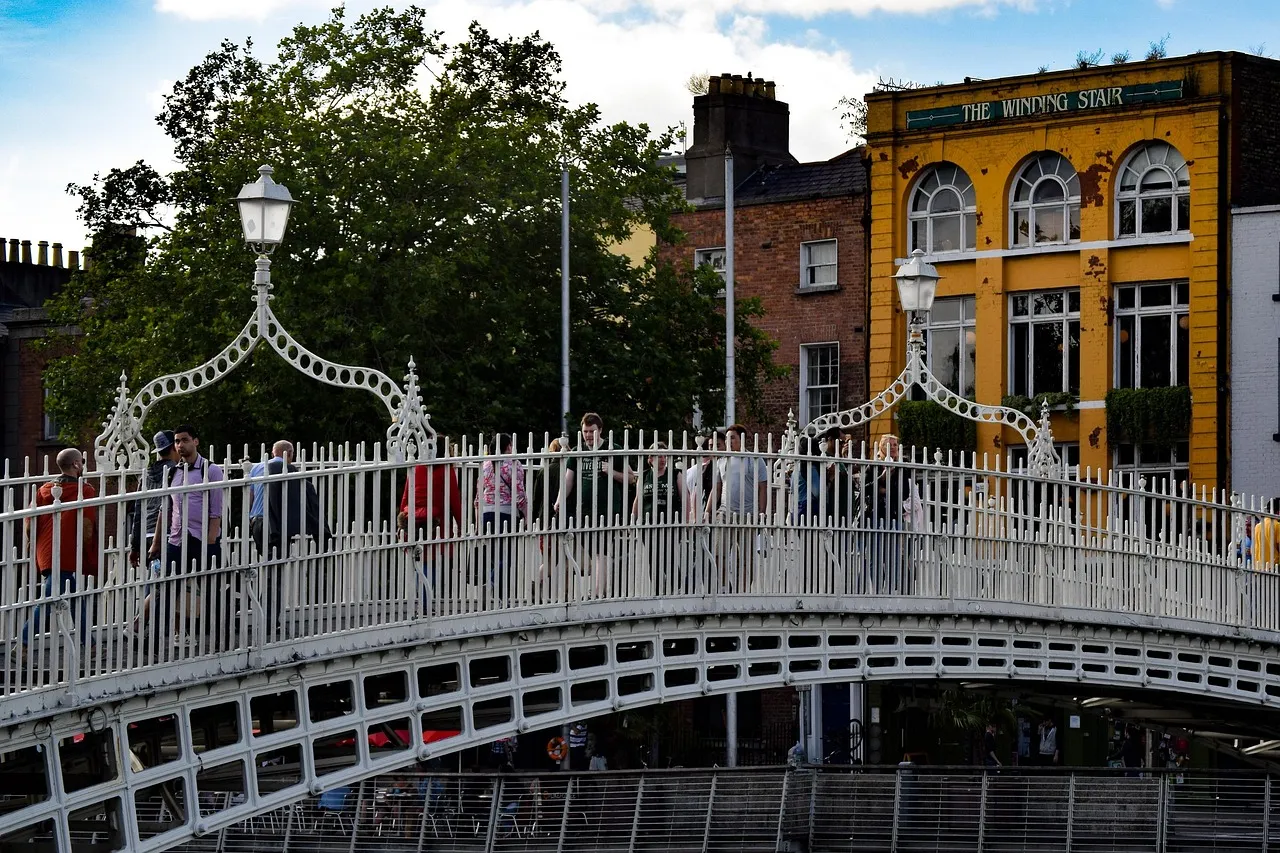
The situation right now
Supply is the problem. Daft.ie counted 1,123 homes actively for rent in Dublin on 1 August 2026, 18% fewer than a year earlier and 37% below the 2015–2019 average; Dublin was the only region where availability fell over the year. Rooms are just as scarce: 933 on the same date, down 26% year on year and 48% below the pre-pandemic norm. About 20,800 homes were listed over the year to July, so the flow of new listings is steady but each one is contested.
Rents jumped when the national rent rules started on 1 March 2026. The yearly cap on existing tenancies (2% or inflation, whichever is lower) now covers the whole country, but a landlord can reset to market rent at the start of a new tenancy in set cases, most often when the previous tenant left by choice. In Dublin, where tenants move often, that showed at once: Daft.ie recorded a record 4.3% rise in listed rents in the first quarter, then 0.8% in the second, which Daft.ie reads as a one-off reset rather than a new trend. Dublin listed rents are now 25% above pre-covid levels and 6.5% higher than a year earlier (Daft.ie, Q2 2026).
You are competing with local professionals, a large international workforce, returning emigrants and students. With so few homes on offer, landlords and agents can choose, and they choose on references: a letter from your employer, recent payslips and, above all, a reference from a previous Irish landlord. Newcomers without an Irish rental history are at a real disadvantage and often start in a room, in digs (a room in the owner's home) or in a furnished medium-term let.
On a single median Dublin salary (about €2,950 a month after tax, our estimate from CSO earnings data) a one-bed apartment at €1,870–2,150 takes roughly two-thirds of take-home pay. A room in a shared house at €720–1,110 is the realistic starting point for most single newcomers. Council housing, HAP and cost-rental lotteries exist but need a long-term right to reside or, for cost rental, permanent residence and Irish tax domicile, so they are not a route in for someone who has just arrived.
Behind the scores
Competition is fierce (4), but upfront payment is capped at one month's deposit plus one month's rent and no large guarantees are asked. The barrier is references: landlords pick Irish landlord references, employer letters and payslips, which newcomers often lack (boards.ie, 2026). Money and a job letter still open doors in weeks, so 4 rather than 5. As of September 2026.
One-bed apartment in Dublin City Centre, North City and South City €1,960–2,083 a month (Daft.ie, 2026-06) against a median net income of about €2,950 a month, our estimate from median Dublin earnings of €821 a week gross (CSO, 2024). Share: roughly 66–71%, over 60%. As of September 2026.
1,123 homes and 933 rooms advertised in all of County Dublin on 1 August 2026, down 18% and 26% year on year (Daft.ie, 2026-08). A decent two-bed can draw about thirty enquiries in two hours (HomeScout, 2026); students report rooms taken at once (RTÉ Prime Time, 2026-09). No open queue or bidding system, so 4. As of September 2026.
Gardaí recorded over 230 rental scam reports with losses above €400,000 in January to July 2026, up from about 160 a year earlier, and issued a public warning (RTÉ, 2026-08). Fake listings appear on Daft.ie, Booking.com and social media; Threshold runs a Scamwatch campaign with student unions (Threshold, 2026). As of September 2026.
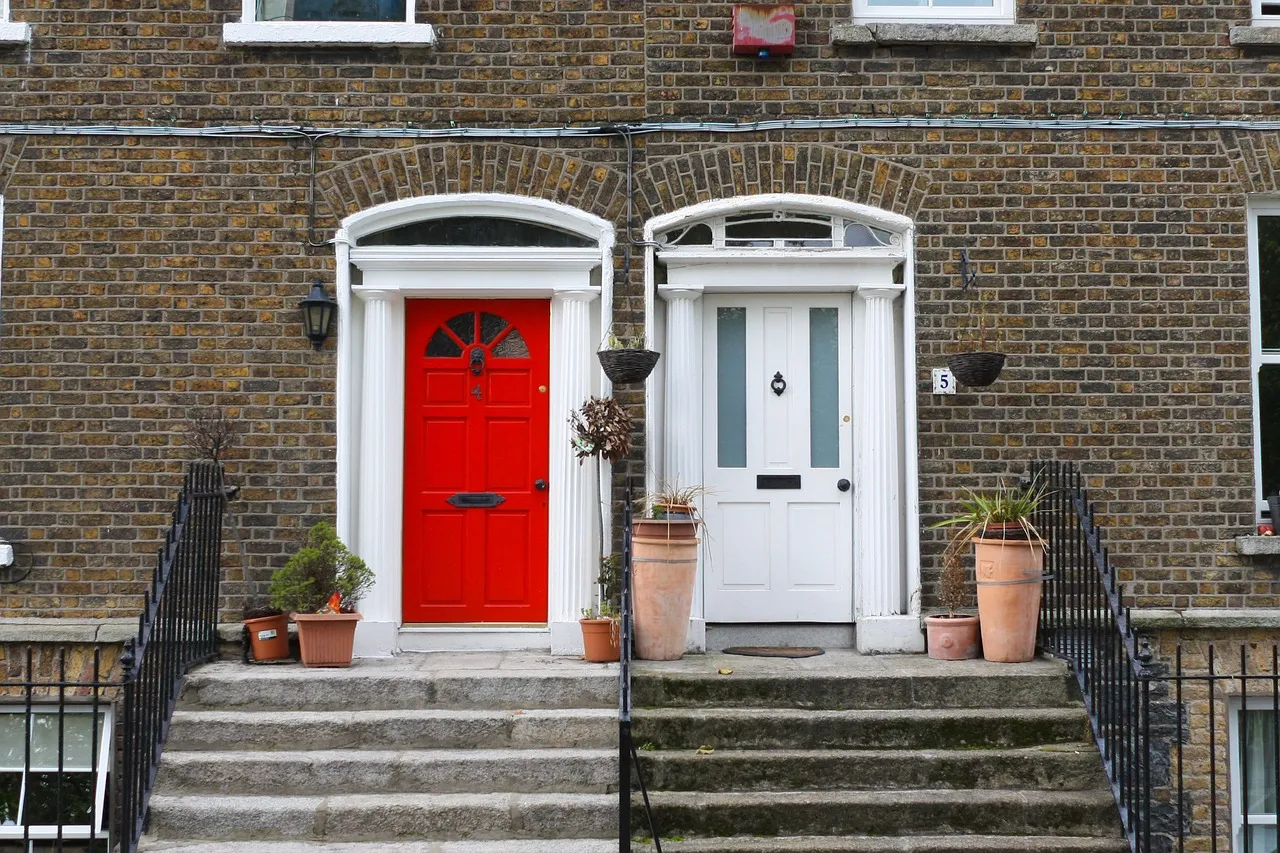
What it costs
| Type | Typical asking rent | Source |
|---|---|---|
| Room in a shared house or apartmentAverage listed room rents across Dublin areas: single room in a house from about €722, double room in a house €842–1,109 (with or without ensuite). Doubles in apartments run €911–1,258. Bills are sometimes included; ask. | €720–1,110 a month | Daft.ie Rental Report Q2 2026, June 2026 |
| Studio or one-bed apartmentAverage studio €1,355–1,589 and one-bed apartment €1,869–2,150 depending on the area; West Dublin cheapest, South County Dublin dearest. | €1,355–2,150 a month | Daft.ie Rental Report Q2 2026, June 2026 |
| Two-bed apartmentAverage two-bed apartment by area, from West Dublin (€2,353) to South Dublin City (€2,839). Dublin-wide average €2,634. | €2,350–2,840 a month | Daft.ie Rental Report Q2 2026, June 2026 |
| Three-bed apartmentAverage three-bed apartment by area, from West Dublin (€2,794) to South Dublin City (€3,615). A three-bed house averages €2,803–3,525. | €2,790–3,620 a month | Daft.ie Rental Report Q2 2026, June 2026 |
Asking rents on the portals; what people actually pay is often lower for older contracts and higher for furnished short lets. Deposits and what can legally be charged on top are on the Ireland page.
Where to search
We can never guarantee that an agency, listing or landlord is legitimate. The channels below are where people in Dublin actually look, not a list of safe places. Never pay a deposit, a fee or a "reservation" before you have seen the flat and met the person with the keys, and read our guide to avoiding rental scams first.
Official channels
Public housing queues, municipal registers and city programmes. Slow, but this is where the honest, regulated stock is.
- LDA Cost Rental (Land Development Agency)State-backed homes at rents set to cover cost, e.g. one-beds €1,225–1,357 and two-beds €1,425–1,671 a month in schemes such as Cooper Square, Parkside (Belmayne), The Crossings (Adamstown) and Shanganagh. Net household income under €66,000 in Dublin, rent no more than 35% of net income, you must be permanently resident and tax domiciled in Ireland and not own property. Applications online only, per scheme; homes are allocated by lottery.
- Dublin City Council: Cost Rental SchemeCost-rental homes from the council, the LDA and approved housing bodies, at least 25% below comparable market rents. Each scheme is advertised for at least seven days and oversubscribed schemes are decided by an independently verifiable lottery. There is no general waiting list.
- Dublin City Council: apply for a council homeSocial housing and HAP (Housing Assistance Payment) run through the four Dublin councils. You need a long-term right to reside in Ireland, a local connection and net income under the limit (€40,000 for a single person in the city). Waits run to years; not a route for newcomers.
- RTB tenancy register checkSearch by address or Eircode to see whether a property has a registered tenancy. Useful as one check on a landlord before you pay anything; it does not show names.
Portals
Where most listings are. Set alerts and reply fast; read every listing with the scam guide in mind.
 Daft.ieWhere most Dublin rentals and rooms are advertised, by agents and private landlords. Set instant alerts, contact through the site's own form and reply within minutes. Fake listings do appear: use the Report Ad button.
 MyHome.ieSecond big portal, strong on agency listings and new build-to-rent schemes; has a separate shared-accommodation section for Dublin.
 Hosting PowerFurnished private rooms in hosts' homes for stays of a month or more, bills included. Used by newcomers as a base while they look for something longer; these are licence arrangements, not tenancies.
 SpotahomeOnline booking of rooms and apartments without an in-person viewing, aimed at people arriving from abroad. Check the booking terms and fees carefully.
Agencies and relocation services
Most charge a fee, and we cannot vouch for any of them. Check the company register and reviews before you sign anything.
 Owen ReillyDublin estate agent with a lettings and property-management team; publishes rental listings, weekly viewing times and tenant guides.
 Hooke & MacDonaldDublin agency with residential lettings and a build-to-rent (multi-family) division, active in newer apartment schemes around the city and county.
 DNGLarge Irish estate agency with Dublin branches; lists homes to rent and has a guide to renting and a moving-in checklist for tenants.
 Savills IrelandOffers residential management and lettings in Dublin, mostly at the upper end of the market.
Groups and word of mouth
Facebook groups and forums are where the informal market lives, and where most scams start.
- Facebook: Dublin Spare Rooms / Apartments / Flatshare / House ShareRooms and flatshares posted by tenants and resident landlords. Useful for rooms that never reach Daft.ie, but Gardaí specifically warn about social media adverts where the advertiser only talks on Messenger or WhatsApp.
- Facebook: Rent in DublinGeneral rental group with rooms, sublets and some whole flats. Many posts are reposts of listings from elsewhere; fake 'landlord abroad' posts are common in this kind of group.
- Facebook: DUBLIN - Housing, Apartments, Rooms, Flatmates, SubletsBusy group used a lot by international students and newcomers. Never pay a deposit to hold a room you have not seen in person.

Local tips
Gathered from local forums, city subreddits and expat groups, rewritten in our own words. They are what people who have done this say helped; none of it is a guarantee.
Have one PDF ready before the alert comes
Put your ID, employer letter (role, salary, start date), recent payslips and references into one file and send it with your first message. A decent Dublin flat can get thirty enquiries in its first two hours, and landlords answer the applicants who look ready to sign today.
Source: HomeScout Daft.ie guide, 2026; boards.ie Accommodation & Property threads, 2025–2026
No Irish landlord reference? Use your employer
Dublin landlords lean heavily on previous-landlord references. If you have none from Ireland, a letter from your current employer confirming how long you have worked there, plus a reference from a landlord abroad with contact details, is the usual substitute.
Source: boards.ie threads on landlord references, 2025–2026
Look west and north along the Luas and DART
West Dublin and North County Dublin are the cheapest parts of the county: an average one-bed is about €1,870–1,930 against €2,150 in South County Dublin, and a double room in a house in West Dublin averages about €840–990. Places on the Luas Red Line or the northern DART and rail lines keep the commute manageable.
Source: Daft.ie Rental Report Q2 2026
Read 'bed in a room' listings carefully
Some Dublin listings are for a bed in a shared bedroom rather than a room of your own, at prices students have reported around €800 a month. Check exactly what is on offer and how many people live there before you travel to a viewing.
Source: RTÉ Prime Time, September 2026
Enter cost-rental lotteries once you qualify
After you are permanently resident and tax domiciled in Ireland, cost-rental schemes in Dublin offer one-beds from about €1,225 a month, secured by lottery. Schemes open for as little as seven days, so check the LDA and Dublin City Council pages regularly.
Source: LDA Cost Rental; Dublin City Council Cost Rental Scheme
Students: sort housing before the CAO rush
Purpose-built student rooms in central Dublin start at about €1,000–1,300 a month and sell out early, and Dublin has around 2.7 students from outside the county for every bed. Apply to college residences as soon as you can and treat digs and commuting as your fallback, not your plan.
Source: Irish Times, 29 August 2026; RTÉ, 17 February 2026 (Sherry FitzGerald research)
Neighbourhoods
City Centre (Dublin 1 and 2, including the Docklands) higher rents
Walk-to-work apartments, many in newer build-to-rent blocks around Grand Canal Dock and the IFSC, rented mostly by tech and finance staff. Look here if your employer is nearby and the budget stretches to an average two-bed of about €2,670; skip it if you want a cheap room, as the few rooms here are the dearest in Dublin.
Rathmines, Ranelagh and Portobello (Dublin 6 and 8) higher rents
South-side inner suburbs with red-brick houses split into flats, cafés and the Luas Green Line. Popular with young professionals, so expect the heaviest competition for anything small and reasonably priced.
Stoneybatter, Smithfield and Phibsborough (Dublin 7) mid-range
North inner city neighbourhoods with older terraces and some newer apartments, close to TU Dublin Grangegorman and the Luas lines. A little cheaper than the south side, and a common first flat for people working in town.
Drumcondra and Glasnevin (Dublin 9) mid-range
Leafy north-side suburbs near DCU and on bus routes into the centre, with many house shares and digs rented to students and young workers. A good place to look for a room, less so for a self-contained flat, and competition peaks when term starts.
Tallaght, Clondalkin and Citywest (West Dublin) lower rents
Suburbs of families, commuters and newer apartment schemes (including cost-rental ones), the cheapest part of the county on Daft.ie figures with one-beds averaging about €1,870. Worth a look if you can live with a longer Luas Red Line ride into the centre.
Swords, Santry and Blanchardstown (North County and Fingal) lower rents
Commuter suburbs where airport staff, families and people working at the big employers in the west and north live. One-beds average around €1,930, so they are worth a look on a tighter budget, but only near a good bus corridor or rail line.
Dún Laoghaire, Sandyford and Blackrock (South County Dublin) higher rents
Coastal and business-park suburbs on the DART and Luas Green Line, home to families and professionals working in Sandyford or wanting the sea. The dearest part of the county for one-beds (about €2,150) and family houses, so look here only if the commute or the coast is worth the premium.
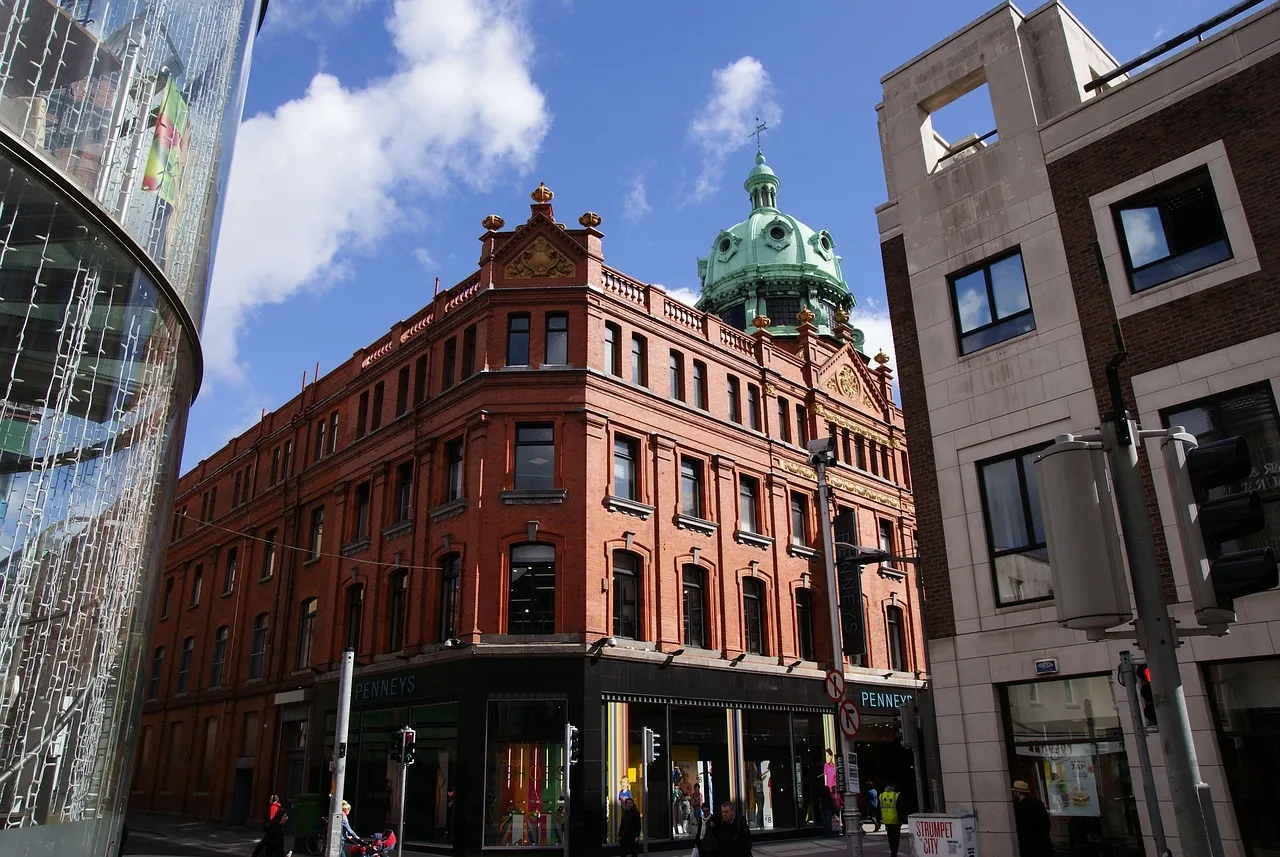
What landlords ask for
Have these ready as PDFs before the first viewing; in Dublin the flat often goes to whoever sends a complete file first.
- Passport or national ID card.
- PPS number (your Irish personal public service number); many landlords ask for it, and you need it for work anyway.
- An Irish bank account or an IBAN that can pay rent by transfer; landlords usually want monthly rent by bank transfer or standing order.
- Employer letter confirming your job, salary and start date, especially if you have just moved to Dublin for work.
- Recent payslips, typically the last three, or bank statements showing your income.
- Written references from previous landlords with contact details; Dublin landlords treat these as one of the most important documents.
- Students: college acceptance or registration letter, and often a parent or guardian as a contact or guarantor.
- Money for the upfront payment: by law no more than one month's deposit plus one month's rent in advance for tenancies created since 9 August 2021.
Scams typical of Dublin
Scam risk here is rated 4 of 5. Gardaí recorded over 230 rental scam reports with losses above €400,000 in January to July 2026, up from about 160 a year earlier, and issued a public warning (RTÉ, 2026-08). Fake listings appear on Daft.ie, Booking.com and social media; Threshold runs a Scamwatch campaign with student unions (Threshold, 2026). The general patterns, and what to do if you have already paid, are in the scam guide.
The landlord who is abroad
The advertiser says they are working overseas and cannot show the property, so you must pay the deposit first and they will post the keys. Gardaí list this as one of the three main patterns in 2026. The tell-tale sign: any reason why you cannot view in person before paying.
The mass viewing with a fake host
A fraudster poses as the landlord, a tenant or an agent, shows the same flat to many people in Dublin's crowded viewings and takes a deposit from several of them before disappearing. Be wary of anyone who pushes you to pay on the spot at a viewing, especially in cash.
Keys that do not work
Everything looks real until moving day, when the keys do not fit, someone else is living there or several victims arrive at once. Daft.ie calls this the meet-and-greet scam. Check the RTB register by Eircode, ask for the landlord's ID and a written lease, and pay by traceable bank transfer.
Messenger- or WhatsApp-only adverts
A cheap room or flat in a Facebook group, with the advertiser refusing phone calls or a viewing and asking for payment by peer-to-peer transfer, crypto or a money service. Gardaí specifically warn about social media adverts where the person will only talk on Messenger or WhatsApp; a reverse image search often finds the photos elsewhere.
Fake 'Daft.ie' payment or login messages
Scammers send emails that appear to come from Daft.ie asking you to pay a deposit through the site or to log in via a link. Daft.ie does not handle payments between tenants and landlords; only log in at daft.ie and use its own contact form.
Student-season fake listings
Around CAO offers in August and the start of term in September and October, fake rooms appear on portals and even on Booking.com at unusually low prices for students and parents booking from home. Most victims are 18 to 24. If the price is well below Daft.ie averages, treat it as a warning sign.
How long it takes
Budget four to eight weeks from the first alert to keys for a flat, and longer from August to October when students arrive; rooms can go faster if you can view the same day. Before you travel, set Daft.ie and MyHome.ie alerts and prepare your one-file application with employer letter, payslips and references. Book a furnished room or medium-term let for your first month, because it is very hard to secure a lease from abroad without viewing and you should never pay for a place you have not seen. Once in Dublin, get your PPS number and an Irish bank account, reply to new listings within minutes and go to as many viewings as you can. Before paying, check the address on the RTB register, meet the landlord or agent, sign a written agreement and pay no more than one month's deposit and one month's rent in advance, by traceable transfer.
Where to get help
- ThresholdNational housing charity with its office in Dublin 1. Free, confidential advice for tenants and licensees, help to keep tenancies and avoid homelessness, and the Scamwatch campaign. Freephone 1800 454 454.
- Residential Tenancies Board (RTB)State body that registers tenancies, explains the 2026 rent rules and resolves disputes between tenants and landlords, such as deposit retention or unlawful rent increases.
- Citizens InformationPlain-language official guides to renting, deposits, cost rental, HAP and social housing, from the state information service.
- Dublin Region Homeless Executive (DRHE)Runs homeless services for the four Dublin councils, including Homeless HAP for people at risk of losing their home. Homeless freephone 1800 707 707.
- FLAC (Free Legal Advice Centres)Charity offering free basic legal information and advice, including on housing and tenancy problems.
- An Garda SíochánaIrish police. Report rental fraud to a Garda station, and tell your bank at once if you have paid a scammer.
Questions people ask about renting in Dublin
How much does it cost to rent a one-bed flat in Dublin?
The average one-bed apartment was €1,869–2,150 a month depending on the area in the second quarter of 2026, and €2,042 across Dublin as a whole (Daft.ie). Studios averaged €1,355–1,589. A double room in a shared house was about €842–1,109.
How many places are there to rent in Dublin right now?
Very few. Daft.ie counted 1,123 homes and 933 rooms advertised in all of County Dublin on 1 August 2026, down 18% and 26% on a year earlier. About 20,800 homes were listed during the year to July 2026, so new listings keep coming, but each draws many applicants.
Can my Dublin landlord raise the rent every year?
Once a year, by no more than 2% or inflation if lower, under the national rules in force since 1 March 2026. What matters in Dublin is the first rent: in set cases, such as when the previous tenant left by choice, a landlord can reset to market rent at the start of a new tenancy, which is why Daft.ie saw a record 4.3% jump in Dublin listed rents in Q1 2026. Compare Daft.ie area averages before you agree a figure.
Can I get council housing, HAP or cost rental as a newcomer?
Usually not straight away. Social housing and HAP need a long-term right to reside in Ireland and a local connection, and waits run to years. Cost rental requires permanent residence and tax domicile in Ireland and a net household income under €66,000 in Dublin; homes are allocated by lottery (Dublin City Council, LDA, 2026).
Can I secure a flat in Dublin before I arrive?
Rarely. Landlords want to meet applicants and see references, and Gardaí warn (August 2026) that a landlord who cannot show the property in person is one of the main scam patterns. Most newcomers book a furnished room or medium-term let for the first month and search for a lease once in Dublin.
Sources for this page (23)
- Daft.ie Rental Report Q2 2026, accessed 30 September 2026
- Daft.ie Rental Report Q1 2026 (hosted by RTÉ), accessed 30 September 2026
- RTÉ: Rate of monthly rent rises slowed in Q2 (24 August 2026), accessed 30 September 2026
- CSO: Earnings Analysis using Administrative Data Sources 2024, county, accessed 30 September 2026
- RTB: Rental law changes from 1 March 2026, accessed 30 September 2026
- RTB: Setting and reviewing private rents from 1 March 2026, accessed 30 September 2026
- RTB: Tenancy registration check, accessed 30 September 2026
- RTÉ: Warning of accommodation fraud ahead of new college term (25 August 2026), accessed 30 September 2026
- Dublin People: Student accommodation scams, Garda warning ahead of CAO offers (25 August 2026), accessed 30 September 2026
- Daft.ie: Safety Online, accessed 30 September 2026
- Threshold: Scamwatch 2026 toolkit, accessed 30 September 2026
- Threshold: What is a licensee?, accessed 30 September 2026
- LDA Cost Rental, accessed 30 September 2026
- Dublin City Council: Cost Rental Scheme, accessed 30 September 2026
- Dublin City Council: Apply for a council home, accessed 30 September 2026
- Revenue: Rent-a-room relief and qualifying conditions, accessed 30 September 2026
- Irish Times: The scramble for student accommodation begins (29 August 2026), accessed 30 September 2026
- RTÉ: Shortage of 38,900 student beds in Irish cities (17 February 2026), accessed 30 September 2026
- RTÉ Prime Time: Students on the impact of the accommodation crisis (25 September 2026), accessed 30 September 2026
- Threshold: Deposit limited to one month's rent, accessed 30 September 2026
- boards.ie: Accommodation & Property forum, accessed 30 September 2026
- HomeScout: How to use Daft.ie for Dublin rentals, accessed 30 September 2026
- Dublin Inquirer: Why do letting agents invite such big crowds of people to viewings?, accessed 30 September 2026
Something out of date, or a channel we should add? Tell us. This page is checked oldest-first in our upkeep rounds; last check 30 September 2026.