Renting in Auckland
Auckland is one of New Zealand's most expensive places to rent, but right now one of the easier ones: asking rents and new bonds are flat to slightly down on a year earlier (Trade Me and Tenancy Services, mid-2026), and Trade Me showed about 5,400 Auckland rentals on 1 October 2026. A one-bedroom flat in the inner suburbs typically asks NZ$450 to NZ$580 a week. Most homes are let by property managers who want references and run a credit check, so a newcomer's main hurdle is paperwork, not a crowd at the door.
Checked 1 October 2026Deposits, contracts and notice periods: New Zealand rules

The situation right now
Rents have stalled. Trade Me's median asking rent for Auckland was NZ$660 a week in June 2026, 1.5% lower than a year earlier, NZ$655 in July (NZ$5 less than in July 2025) and NZ$660 again in August. Tenancy Services' bond data gives a median of NZ$640 a week for new tenancies across Auckland in July 2026, against NZ$650 a year before. Barfoot & Thompson, one of the largest property managers, reports an average rent of NZ$699 a week across its Auckland homes in August 2026, up 0.9% in a year, with central city apartment rents down 0.3%. Nationally, Trade Me's median asking rent rose year on year in August 2026 for the first time in 18 months, as new listings fell 4% and demand rose 3%; Auckland has not followed so far, and Otago (NZ$700) has overtaken it as the most expensive region.
The reasons are supply and people. In early 2025 Trade Me reported rental listings at their highest level in over a decade, after years of new townhouses and apartments. Net migration fell to a low of 9,600 in the year to July 2025 (Stats NZ), with record numbers of New Zealanders leaving for Australia. Both are now reversing: listings in Auckland were about 10% lower in March 2026 than a year earlier, and net migration recovered to 20,300 in the year to July 2026, mainly from arrivals from China, India and the Philippines. For now, though, renters can still take their time.
Most whole homes are let through property managers such as Barfoot & Thompson, Ray White, Harcourts, Quinovic and Crockers, and advertised on Trade Me Property. You go to an open viewing or book one, then fill in a pre-tenancy application with ID, references and permission for a credit check, which may only be run on the preferred applicant. In August 2026, Barfoot & Thompson received about 38 enquiries and 5 applications for each home it let. Private landlords advertise on Trade Me and Facebook too, and rooms in shared flats are let tenant to tenant, outside the Residential Tenancies Act.
On a normal budget, a one-bed in Mount Eden, Parnell or Newmarket asks NZ$450 to NZ$550 a week, Grey Lynn and Ponsonby a little more, and small city-centre apartments from about NZ$400. Two-bed homes run around NZ$540 to NZ$650 a week, less in the west and south. A room in a shared house usually costs NZ$200 to NZ$340 a week. With a job offer and documents ready, a search of two to four weeks is realistic.
Public housing is not a route for most newcomers: you need to be a citizen or have held residence for two years, and be in serious housing need. 6,837 Auckland households were on the Housing Register in June 2026, most of them in the highest priority group. Auckland has no licence or night cap for short-stay letting; instead, the council charges higher, business-level rates on homes booked more than 28 nights a year through sites such as Airbnb and Bookabach.
Behind the scores
Plenty of stock and flat rents; upfront costs capped at four weeks' bond plus up to two weeks' rent in advance; no income-multiple or guarantor norm. The hurdle is screening: property managers rank applicants on references, ID and a credit check, and newcomers have no New Zealand rental history or credit file (Tenancy Services). Short lets are not capped, only rated higher (Auckland Council, 2026/27). Public housing needs citizenship or two years' residence (Work and Income, 2026-09). Harder without a job offer or with pets. As of October 2026.
One-beds in Grey Lynn, Ponsonby, Mount Eden, Parnell and Newmarket: our sample of 63 Trade Me listings (2026-10-01), median NZ$500 a week, middle half NZ$450–580, or NZ$1,950–2,513 a month (×52÷12); no fixed building charge on top. Median full-time pay, Auckland Region, NZ$1,630 a week gross (Stats NZ, June 2026 quarter): NZ$5,452 a month after income tax and the 1.75% ACC levy, KiwiSaver not deducted (our calculation): 36–46%, middle 40%. Cross-check, all in paid work including the self-employed (NZ$1,440): 44%. As of October 2026.
About 5,400 Auckland rentals on Trade Me on 2026-10-01, 499 of them one-beds in Auckland City; several Grey Lynn and Mount Eden one-beds had been up since July or August. Barfoot & Thompson's own figures, August 2026: 779 homes available against 588 let, and per home let about 38 enquiries, 13 groups at viewings and 5 applications. One property manager reports a median of 16 days on market (Aspire, 2026-03). No official figure exists for days online or applicants. Busier January to March. As of September 2026.
The latest dated evidence is from 2024: a New Zealand Police warning (2024-03-04) about fake landlords taking bond and 'reservation' payments from people abroad, especially in China, for central Auckland flats, and a Tenancy Tribunal case over a fake property manager on a Trade Me listing (NZ Herald, 2024-04). No police or consumer-body warning dated October 2025 to September 2026 and no standing official rental-scam page were found. The patterns are known; the dated evidence is old and thin. As of October 2026.
What it costs
| Type | Typical asking rent | Source |
|---|---|---|
| Room in a shared house or flatRooms in share houses on Flathive on 1 October 2026 (203 Auckland listings) mostly asked NZ$200–340 a week: about NZ$200–230 in South and West Auckland, NZ$275–310 in Mount Wellington, Massey and New Lynn, and NZ$300–340 in Parnell and Epsom. Some include power and internet. If you rent from the tenant or owner rather than sign the tenancy agreement, you are a flatmate and the Residential Tenancies Act does not cover you. | NZ$200–340 a week(€440–750 a month) | Flathive: rooms in share houses for rent in Auckland, October 2026 |
| Studio or one-bed flat or apartmentAsking rents for one-beds on Trade Me on 1 October 2026 (middle half of 63 listings): Mount Eden median about NZ$450, Parnell NZ$500, Newmarket NZ$530, Grey Lynn NZ$575, Ponsonby NZ$500–730. City-centre one-bed apartments ask from about NZ$400. Barfoot & Thompson's average rent on its one-bed homes in August 2026 was NZ$476 across Auckland, NZ$479 in the central city and NZ$521 in the western city fringe (Ponsonby, Grey Lynn). | NZ$450–580 a week(€990–1,300 a month) | Trade Me Property listings, 1 October 2026; Barfoot & Thompson Rental Report, August 2026, October 2026 |
| Two-bed flat, apartment or townhouseAverage rent on Barfoot & Thompson's two-bed homes in August 2026 (existing and new tenancies): NZ$539 in South Auckland, NZ$563 West Auckland, NZ$605 North Shore, NZ$630 western city fringe, NZ$631 Eastern Suburbs and NZ$651 in the central city; NZ$590 across Auckland, up 1.1% in a year. | NZ$540–650 a week(€1,200–1,450 a month) | Barfoot & Thompson Rental Report, August 2026, August 2026 |
| Three-bed house or townhouseAverage rent on Barfoot & Thompson's three-bed homes in August 2026: NZ$600 in Franklin, NZ$651 West Auckland, NZ$656 South Auckland, NZ$736 North Shore, NZ$787 Eastern Suburbs and NZ$833 in the western city fringe; NZ$703 across Auckland. Three-beds are over a third of its Auckland portfolio. | NZ$600–830 a week(€1,300–1,850 a month) | Barfoot & Thompson Rental Report, August 2026, August 2026 |
Asking rents on the portals; what people actually pay is often lower for older contracts and higher for furnished short lets. Deposits and what can legally be charged on top are on the New Zealand page. The euro values are there to compare cities: rounded, a month, at the exchange rates of 23 October 2026 (how we convert).
Where to search
We can never guarantee that an agency, listing or landlord is legitimate. The channels below are where people in Auckland actually look, not a list of safe places. Never pay a deposit, a fee or a "reservation" before you have seen the flat and met the person with the keys, and read our guide to avoiding rental scams first.
Official channels
Public housing queues, municipal registers and city programmes. Slow, but this is where the honest, regulated stock is.
- Work and Income: public housingEntry to the Housing Register for Kāinga Ora and community housing homes. You must be a citizen, a resident who has lived here for two years since getting residence, a refugee or protected person, or on a main benefit, and be in serious housing need, with after-tax income under about NZ$833 a week for a single person (September 2026). 6,837 Auckland households were waiting in June 2026, most in the highest priority group, so this is not a realistic option for a newcomer.
- Kāinga OraThe government's housing agency, which owns and lets state homes across Auckland. You do not apply to it directly: tenants are matched from the Work and Income Housing Register.
- Tenancy Services: market rentFree tool showing what people actually pay on new bonds by suburb, dwelling type and bedrooms, from bond lodgement data. Use it to judge whether an advert is fair, or suspiciously cheap. Tenancy Services warns that its bond data is provisional during a system migration; in 2026 the bedroom split looks unreliable, so compare with listings.
- Tenancy Tribunal orders search (Ministry of Justice)Most Tribunal decisions are published. Before signing with a private landlord, search their name and the address for past disputes.
Portals
Where most listings are. Set alerts and reply fast; read every listing with the scam guide in mind.
 Trade Me PropertyThe dominant portal: about 5,400 Auckland rentals on 1 October 2026, from property managers and private landlords. Rent is shown per week. Save searches with alerts, filter by suburb and bedrooms, and use the message button rather than moving to WhatsApp or email with a stranger.
 realestate.co.nzThe real estate industry's own portal. Much of its rental stock overlaps with Trade Me, but some agency listings appear here first.
 OneRoofProperty portal run by the NZ Herald's owner, with more than 2,000 Auckland rentals listed on 1 October 2026 and rent estimates by address.
 FlathiveFree peer-to-peer site for rooms and flatmates, with about 200 Auckland share-house rooms on 1 October 2026 and filters near the universities and hospitals. Nobody checks the person letting the room.
Agencies and relocation services
Most charge a fee, and we cannot vouch for any of them. Check the company register and reviews before you sign anything.
 Barfoot & ThompsonOne of Auckland's largest property managers, with about 20,500 homes in the region by its own count, most in West and South Auckland, the North Shore and the eastern suburbs; its central city stock is almost all apartments. Lists its rentals on its own site and on Trade Me, and publishes monthly rent data.
 Ray WhiteFranchise network with many Auckland offices that manage rentals. Each office runs its own viewings and applications.
 HarcourtsFranchise network with property management offices across Auckland; listings appear on its site and on Trade Me.
 QuinovicProperty management franchise with Auckland offices and a 'for rent' search by region, including many city-centre apartments.
 CrockersAuckland property manager that says it manages about 29,000 properties, including apartments and build-to-rent blocks; its site is in English and Chinese.
 Resido (build-to-rent)Purpose-built rental apartments at Sylvia Park in Mount Wellington, let directly by the owner, with on-site staff, a gym and co-working space, about 20 minutes by train from the city centre. Market rents.
Groups and word of mouth
Facebook groups and forums are where the informal market lives, and where most scams start.
- Facebook: Auckland Flats / Houses Flatmates Rooms & Boarding Wanted to RentA large Facebook page for rooms, flatmates and private lets. Nothing is checked; most rental scams start on social media. Never pay before you have been inside, and ask for the bond to be lodged with Tenancy Services.
- Facebook Marketplace: property rentals (Auckland)Rooms, sublets and some whole homes from private people. Auckland Police called buy-and-sell sites such as Marketplace 'a hunting ground for criminals' in September 2026 (about goods, but the same tricks apply). Treat any landlord who cannot show the home in person as a scam.
Local tips
Gathered from local forums, city subreddits and expat groups, rewritten in our own words. They are what people who have done this say helped; none of it is a guarantee.
Use the slack market to negotiate
With rents flat for over a year and many listings online for weeks, Auckland renters have had room to ask for a lower rent, a longer fixed term at the same rent, or repairs before moving in. Barfoot & Thompson says landlords who do not price realistically in the first weeks of a listing struggle. Check how long the ad has been up on Trade Me before you make an offer.
Source: Barfoot & Thompson monthly rental updates, February and August 2026; Trade Me Rental Price Index, July 2026
Check the advert against the bond data
Tenancy Services' market rent tool shows what people actually pay on new bonds by suburb and bedrooms. If a central one-bed is advertised far below about NZ$400 a week, be suspicious; if it is well above, there are probably cheaper ones nearby. Note that 2026 bond data is provisional during a system change, so cross-check with live listings.
Source: Tenancy Services, rental bond data and market rent tool, September 2026
No New Zealand history? Bring what replaces it
Property managers rank applicants on rental references, ID and a credit check. Newcomers have no local credit file, so attach an employment contract or employer letter with salary and start date, references from your last landlord abroad, bank statements and your visa. Credit checks should only be run on the preferred applicant, so you should not be asked to pay for one.
Source: Tenancy Services, pre-tenancy applications, 2026
Ask what the water bill will be
In Auckland, Watercare bills the owner, never the tenant: the fixed wastewater charge is the landlord's, and you repay only your metered water and wastewater use. Agree a meter reading on the day you move in and out, and ask the landlord to give you 'authority access' to the account so you can see and pay the bills yourself.
Source: Watercare, help for tenants and landlord FAQs, 2026
Look at heating and damp before price
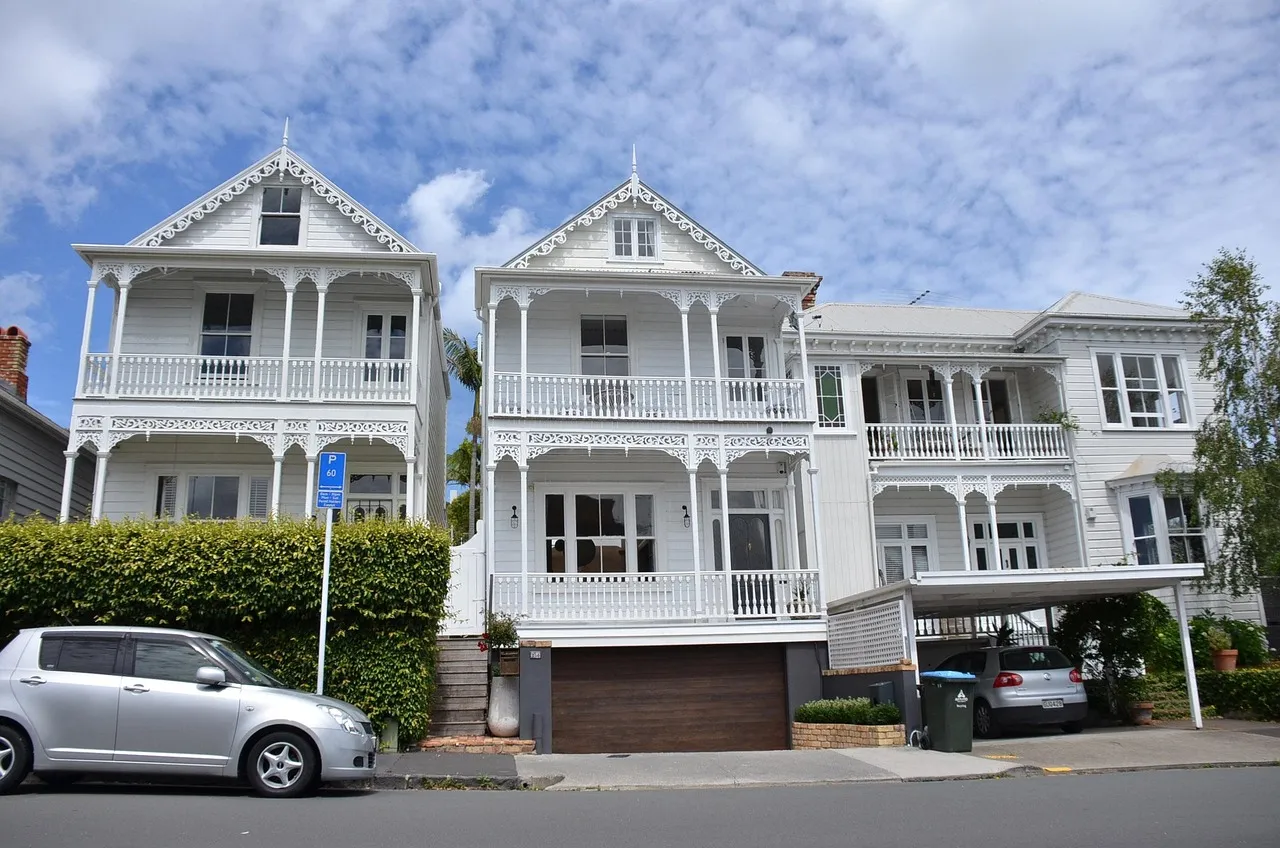
Many Auckland rentals are older timber villas and bungalows that can be cold and damp in winter. Every rental must now meet the healthy homes standards, and the agreement must include a compliance statement: ask for it, check there is a fixed heater in the living room and extractor fans in the kitchen and bathroom, and look for mould. For apartments and townhouses built from the early 1990s, ask whether the building has had weathertightness (leaky building) problems or is due for remediation.
Source: Tenancy Services, healthy homes compliance; Auckland Council, leaky buildings, 2026
Choose along the new train lines
The City Rail Link opened on 13 September 2026, with new underground stations at Te Waihorotiu (mid-city), Karanga-a-Hape (Karangahape Road) and Maungawhau (Mount Eden), and trains now run through the city centre instead of ending at Waitematā (Britomart). Suburbs on the Western, Southern and Eastern lines, such as New Lynn, Henderson, Ōtāhuhu, Ellerslie and Sylvia Park, now have quicker trips across the centre, often at lower rents than the inner city.
Source: Auckland Transport, CRL opening release, 6 August 2026; City Rail Link Ltd, September 2026
Avoid the January to March rush if you can
Barfoot & Thompson calls January one of the busiest months, as people return from the summer holidays and students look for accommodation. Its own figures show enquiries peaking at about 32,700 a month in February and March 2026, against about 22,000 in August. Winter lets meet less competition.
Source: Barfoot & Thompson monthly rental updates, January to August 2026
Neighbourhoods
City centre (CBD, Wynyard Quarter, Karangahape Road) mid-range
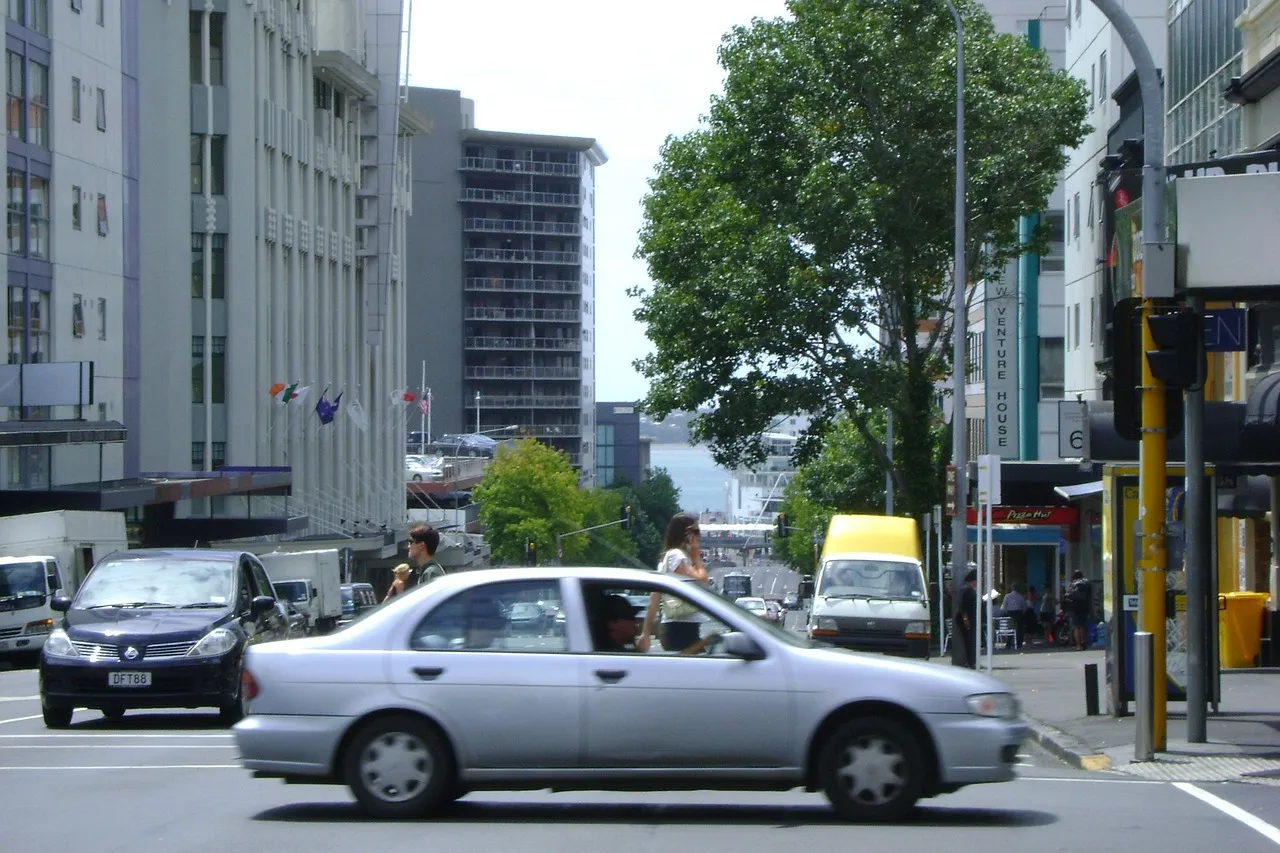
Mostly apartments, from small studios popular with students and newcomers to waterfront flats at the Viaduct. One-beds start around NZ$400 a week, and Barfoot & Thompson's central city rents fell slightly over the year to August 2026. Walking distance to work and both universities, but check the building's size, noise and weathertightness history.
Ponsonby, Grey Lynn, Freemans Bay and Herne Bay higher rents
Restored villas, cafés and bars on the western city fringe, popular with young professionals. One-beds asked a median of about NZ$575 a week in Grey Lynn on 1 October 2026, and few come up in Ponsonby. Buses along Ponsonby Road and Great North Road serve it; there is no train station, though Karanga-a-Hape station on the new City Rail Link is a walk from Ponsonby's eastern edge.
Mount Eden, Kingsland and Sandringham mid-range
Leafy streets of villas and small blocks of flats, with Eden Park and Dominion Road's restaurants. One-beds were the cheapest of the inner suburbs checked, at a median of about NZ$450 a week. The new Maungawhau station and Kingsland station on the Western Line put the city centre a few minutes away.
Parnell, Newmarket and Remuera higher rents
Upmarket inner east, with shopping in Newmarket and train stations at Newmarket, Parnell and Remuera. One-beds asked about NZ$500–530 a week in October 2026, mostly in apartment blocks; houses in Remuera are among the dearest in the city.
North Shore (Takapuna, Devonport, Northcote, Albany) mid-range
Beaches, good schools and family homes across the Harbour Bridge. Barfoot & Thompson's North Shore rents averaged NZ$545 a week for a one-bed and NZ$605 for a two-bed in August 2026, and rose fastest in Auckland over the year (1.9%). The Northern Busway and ferries from Devonport, Bayswater and Birkenhead link it to the city; the bridge is a bottleneck by car.
West Auckland (Henderson, New Lynn, Te Atatū) lower rents
Barfoot & Thompson manages more homes here than anywhere else in Auckland: average rents in August 2026 were NZ$469 for a one-bed and NZ$563 for a two-bed. Plenty of newer townhouses, and the Western Line from Swanson and Henderson runs through New Lynn to the city centre.
South Auckland (Manukau, Papatoetoe, Ōtāhuhu, Papakura) lower rents
The cheapest part of the city, with Barfoot & Thompson averages of NZ$414 for a one-bed and NZ$539 for a two-bed in August 2026. Close to the airport and big employers, with the Southern and Eastern train lines, but long trips to the city centre at rush hour and a car is often needed.
Eastern suburbs and the inner south-east (Ellerslie, Mount Wellington, Panmure, Howick) mid-range
Mixed family areas with new apartment and build-to-rent blocks around Sylvia Park. Two-beds averaged about NZ$631 a week in Barfoot & Thompson's Eastern Suburbs area in August 2026. The Eastern Line serves Ellerslie, Sylvia Park and Panmure; Howick and Pakuranga rely on buses and cars.

What landlords ask for
Have these ready as PDFs before the first viewing; in Auckland the flat often goes to whoever sends a complete file first.
- A pre-tenancy application form: name and contact details, current address and renting history, ID details and references. Property managers usually take it online or on their own form; Tenancy Services publishes a standard one.
- Photo ID: passport with your visa. A New Zealand driver licence helps but is not required.
- Consent to a credit check. Newcomers usually have no New Zealand credit file; landlords should only check the applicant they want to choose.
- Proof of income: payslips, or an employment contract or employer letter stating salary and start date. There is no legal income multiple, but property managers compare rent with income.
- References from previous landlords or property managers, from abroad if you have no local history, with a phone number or email they can check. Bank statements or proof of savings help if you have not started work.
- Money for the start: a bond of up to four weeks' rent, lodged with Tenancy Services, and one or two weeks' rent in advance. No letting fees are allowed.
Scams typical of Auckland
Scam risk here is rated 2 of 5. The latest dated evidence is from 2024: a New Zealand Police warning (2024-03-04) about fake landlords taking bond and 'reservation' payments from people abroad, especially in China, for central Auckland flats, and a Tenancy Tribunal case over a fake property manager on a Trade Me listing (NZ Herald, 2024-04). No police or consumer-body warning dated October 2025 to September 2026 and no standing official rental-scam page were found. The patterns are known; the dated evidence is old and thin. The general patterns, and what to do if you have already paid, are in the scam guide.
The landlord who rents to you before you arrive
In March 2024 New Zealand Police warned that scammers were targeting people abroad, especially those searching in Chinese-language forums and over WeChat, with central Auckland flats they do not own. They send a fake passport photo and a tenancy agreement to sign online, then ask for bond, a 'reservation' payment because a local tenant is interested, and money for furniture. The renter finds out on arrival that the flat is already occupied. Never pay for a home you or someone you trust has not seen.
The fake property manager
A real listing is copied, or answered by someone posing as the property manager, who moves the chat to Facebook Messenger or WhatsApp, claims to be away and asks for bond and rent into a personal account; a 2024 Tenancy Tribunal case involved exactly this on a Trade Me listing. Call the agency's office number from its own website to confirm the listing, and pay only to a business account or to Tenancy Services.
The bond that is never lodged
Some landlords and head tenants keep the bond themselves. A landlord must lodge it with Tenancy Services within 23 working days, and you should then receive a bond number by email or letter. Asking for cash, refusing a receipt or no confirmation from Tenancy Services means your money is at risk. You can ask to pay the bond directly to Tenancy Services.
The apartment rented out by a short-term tenant
In a case Auckland Police investigated in 2010, a ring rented city-centre apartments from landlords with fake passports, posed as the owners and re-let them to at least 18 victims, taking bond and rent in advance. Ask to see the landlord's or agent's authority to let, check the address in the Tribunal orders, and be wary of anyone who can only show the flat at odd hours.
How long it takes
With a job offer and your documents ready, allow two to four weeks from first alert to keys, and longer from January to March. Book two to four weeks of short-term accommodation, open a bank account and get your IRD number first. Then set alerts on Trade Me Property for the suburbs and weekly budget you want, check the advertised rent against Tenancy Services' market rent tool, and book viewings, several on a Saturday if you can. Apply on the property manager's form the same day with ID, your visa, an employer letter or payslips, references from your last landlord and bank statements. Before you sign, ask for the healthy homes statement and look at heating and damp. On signing, pay up to four weeks' bond and one or two weeks' rent in advance, and check you get a bond number from Tenancy Services. Do a photographed inspection on move-in, and agree a water meter reading with the landlord.
Where to get help
- Tenants Protection Association (Auckland)The only organisation in the Auckland region whose sole job is advising tenants: volunteers answer calls on weekday mornings, help prepare Tenancy Tribunal and mediation cases and sometimes attend with tenants. Many clients are migrants. Phone 09 360 1473.
- Community Law Auckland CBDFree legal advice, including on tenancy disputes, at Level 2, The Tasman Building, 16-22 Anzac Avenue. Phone 09 377 9449. Community Law also has centres in South Auckland, Māngere and Waitematā.
- Citizens Advice BureauFree, confidential information about renting and flatting, by phone (0800 367 222), online and at bureaux across Auckland.
- AUSA Independent Student AdviceThe University of Auckland Students' Association's free advice service, independent of the university, which includes tenancy questions. Walk-ins at AUSA House, 4 Alfred Street, weekdays 9:30am to 4:30pm.
- Tenancy ServicesThe national tenancy service: rules, the market rent tool, bond lodgement and refunds, mediation and Tribunal applications. Phone 0800 836 262 (see the New Zealand page).
- NetsafeNew Zealand's online safety organisation. Report an online rental scam and get advice; tell your bank at once and report the theft to the Police as well.
Questions people ask about renting in Auckland
How much does a one-bedroom flat cost in Auckland?
One-beds advertised on Trade Me in Grey Lynn, Ponsonby, Mount Eden, Parnell and Newmarket on 1 October 2026 asked a median of NZ$500 a week (middle half NZ$450–580), and city-centre apartments start at about NZ$400. Rent is quoted per week: multiply by 52 and divide by 12 for a month, so NZ$500 a week is about NZ$2,170 a month. Electricity, internet and metered water use come on top.
Are Auckland rents going up or down?
Flat to slightly down. Trade Me's median asking rent for Auckland was NZ$660 a week in August 2026, after a 1.5% fall on the year in June, and the median on new bonds was NZ$640 in July 2026 against NZ$650 a year before (Tenancy Services). Nationally, asking rents rose year on year in August 2026 for the first time in 18 months, with fewer new listings and more demand (Trade Me), and net migration has recovered from 9,600 in the year to July 2025 to 20,300 in the year to July 2026 (Stats NZ).
Can I rent in Auckland without New Zealand rental history?
Yes. With about 5,400 Auckland rentals on Trade Me in October 2026, you have more choice than in a tight year, but property managers still check references and credit. Bring your visa, an employer letter or contract, references from your last landlord abroad and bank statements, and apply soon after the viewing. Upfront costs are capped at four weeks' bond and one or two weeks' rent in advance (Tenancy Services, as of 2026-10).
Who pays the water bill when renting in Auckland?
Watercare bills the property owner, and the account cannot be put in a tenant's name. The landlord pays the fixed wastewater charge; the tenant usually repays the metered water and wastewater used, and the landlord can give the tenant authority to manage and pay the account online (Watercare, 2026).
Can I get social housing in Auckland as a newcomer?
Usually not. Public housing needs New Zealand citizenship, two years of continuous residence since getting a resident visa, refugee or protected status, or a main benefit, plus a serious housing need (Work and Income, September 2026). 6,837 Auckland households were on the Housing Register in June 2026, most of them in the highest priority group (Ministry of Social Development).
Sources for this page (55)
- Trade Me Property: Rental Price Index, July 2026 (Stagnant rents give Kiwi tenants an effective rent cut), accessed 1 October 2026
- Trade Me Property: Rental heats up with first increase for 2026 (Rental Price Index, April 2026), accessed 1 October 2026
- Scoop (Trade Me press release): National rents up year-on-year for the first time in 18 months (August 2026 index, 25 September 2026), accessed 1 October 2026
- Scoop (Trade Me press release): Aotearoa rental market hits a winter flatline (June 2026 index), accessed 1 October 2026
- Trade Me Property: Auckland apartments and houses to rent (listings seen 1 October 2026), accessed 1 October 2026
- Trade Me Property: one-bedroom rentals in Auckland City, Grey Lynn, Ponsonby, Mount Eden, Parnell and Newmarket (listings seen 1 October 2026), accessed 1 October 2026
- Tenancy Services: Rental bond data (monthly by territorial authority to July 2026; detailed quarterly to June 2026; updated 10 September 2026), accessed 1 October 2026
- Tenancy Services: Market rent, accessed 1 October 2026
- Tenancy Services: Paying a bond, accessed 1 October 2026
- Tenancy Services: Pre-tenancy applications, accessed 1 October 2026
- Tenancy Services: Information for new tenants, accessed 1 October 2026
- Tenancy Services: Healthy homes compliance, accessed 1 October 2026
- Barfoot & Thompson: Rental Market Update, August 2026, accessed 1 October 2026
- Barfoot & Thompson: Rental Market Update, July 2026, accessed 1 October 2026
- Barfoot & Thompson: Rental Report, August 2026 (average rent by area and bedrooms), accessed 1 October 2026
- Barfoot & Thompson: Rental Market Update, January 2026, accessed 1 October 2026
- Barfoot & Thompson: Rental Market Update, February 2026, accessed 1 October 2026
- Barfoot & Thompson: Rental Market Update, March 2026, accessed 1 October 2026
- Barfoot & Thompson: Properties for rent, accessed 1 October 2026
- Aspire Property Management: Rental Market Update New Zealand, March 2026, accessed 1 October 2026
- Stats NZ: Labour market statistics (income), June 2026 quarter, accessed 1 October 2026
- Stats NZ Aotearoa Data Explorer: Earnings from wage and salary jobs by sex, age groups, region, and full-time and part-time status (INC_INC_007), accessed 1 October 2026
- Stats NZ Aotearoa Data Explorer: Earnings for people in paid employment by region (INC_INC_001), accessed 1 October 2026
- Stats NZ: International migration, July 2026, accessed 1 October 2026
- Inland Revenue: Tax rates for individuals, accessed 1 October 2026
- Inland Revenue: ACC earners' levy rates, accessed 1 October 2026
- Watercare: Help for tenants, accessed 1 October 2026
- Watercare: Landlords, property managers and tenants FAQs, accessed 1 October 2026
- Auckland Council: Rating of providers of online accommodation properties (2026/2027), accessed 1 October 2026
- Auckland Council: Leaky buildings, accessed 1 October 2026
- Auckland Transport: All aboard! What you need to know about CRL opening 13 September (6 August 2026), accessed 1 October 2026
- City Rail Link Ltd: official site (opening, September 2026), accessed 1 October 2026
- Work and Income: Who can get public housing (updated 16 September 2026), accessed 1 October 2026
- Ministry of Social Development: Housing Register, June 2026, accessed 1 October 2026
- Kāinga Ora, accessed 1 October 2026
- Ministry of Justice: Tenancy Tribunal, accessed 1 October 2026
- realestate.co.nz, accessed 1 October 2026
- OneRoof: Houses for rent in Auckland (listings seen 1 October 2026), accessed 1 October 2026
- Flathive: home page, accessed 1 October 2026
- Flathive: Rooms in share houses for rent in Auckland (listings seen 1 October 2026), accessed 1 October 2026
- Ray White New Zealand, accessed 1 October 2026
- Harcourts New Zealand, accessed 1 October 2026
- Quinovic Property Management, accessed 1 October 2026
- Crockers Property Management, accessed 1 October 2026
- Resido: build-to-rent apartments, Sylvia Park, accessed 1 October 2026
- Tenants Protection Association (Auckland), accessed 1 October 2026
- Community Law: Auckland CBD centre, accessed 1 October 2026
- Community Law: Our law centres, accessed 1 October 2026
- Citizens Advice Bureau, accessed 1 October 2026
- AUSA: Independent Student Advice, accessed 1 October 2026
- Netsafe, accessed 1 October 2026
- New Zealand Police: Rental scammers targeting Chinese people seeking New Zealand accommodation (4 March 2024), accessed 1 October 2026
- NZ Herald: Fake landlord scam prompts warning from Tenancy Tribunal (15 April 2024), accessed 1 October 2026
- 1News: Man arrested after allegedly taking $13k through 'daily' Marketplace scams (2 September 2026), accessed 1 October 2026
- NZ Herald: Fake landlords trick renters in flat fraud (20 May 2010), accessed 1 October 2026
Something out of date, or a channel we should add? Tell us. This page is checked oldest-first in our upkeep rounds; last check 1 October 2026.